Politics and policy
Kenyan, Burundi tea fetch highest prices at auction
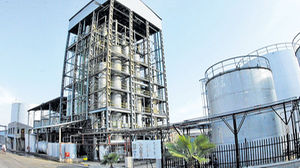
Kenya is the leading global exporter of black tea. The average auction price of Kenyan tea stood at $3.01 per kilogramme at this month’s sale compared to $2.74 last October, marking a variance of $0.27 a kilo. Photo/FILE
Posted Wednesday, November 2 2011 at 22:32
Tea from Kenya and Burundi fetched the highest prices at the weekly Mombasa tea auction over the last 12 months.
New data showed that of all the 12 countries participating at the auction, Kenyan and Burundian tea remained most popular in the year-to-date, recording premium prices compared to the rest.
The average auction price of Kenyan tea stood at $3.01 per kilogramme at this month’s sale compared to $2.74 last October, marking a variance of $0.27 a kilo.
The average price of Burundian tea stood at $2.80 a kilo compared to $2.47 in October, 2010, while Rwandan tea sold at $2.76 a kilo compared to $2.59 last October.
Analysts said the performance in prices reflected a shift by buyers towards premium quality.
“The price gains for Kenya and Burundi teas is driven by quality demands,” a Mombasa trader, Peter Kimanga, said.
“There have been some concerns about quality of tea, especially from Uganda that is used to blend teas in the Egyptian market and Rwanda has also not fared well, hence the demand for Burundian and Kenya tea.”
The quality of tea to the auction in Mombasa has this year been affected by widespread drought that affected most producing countries in the region.
This has seen buyers take keen interest on the quality of the lower volumes of the commodity offered for trade.
During the first half of the year, the volume of Kenyan tea sold through the tea auction stood at 128.8 million kilogrammes, 16 per cent lower than during the same period last year, statistics showed.
This lower sale volumes at the auction volumes reflected a dip in output of the beverage with data by the Tea Board of Kenya (TBK) showing that the country’s tea production for the first half of the year fell 16 per cent year-on-year due to hot and dry weather and poorly distributed rainfall in tea growing areas, sending exports lower.
Output of the commodity dropped to 178.4 million kg compared with a similar period of 2010, with the east of the Rift Valley more affected than other growing areas.
The effects of this thinned output reflected on the export side where shipments fell to 211.7 million kilogrammes from 216.9 kg.
The premium price earned by Kenyan tea coupled with a weakened shilling against the dollar is expected to rake in record earnings for the sub-sector this year.
The country earned Sh97 billion from a bumper crop of 399 million kilogrammes in 2010, surpassing horticulture as the largest source of foreign exchange. Horticultural exports earned the country Sh78 billion in 2010.


RSS