Kenya’s trade deficit widens two-year decline as overseas shipments surge

Photo credit: Compiled by John Waweru | Designed by Stanslaus Manthi

The gap between Kenya’s imports and exports widened and reversed a two-year fall as rising overseas shipments outpaced sales of tea, flowers and vegetables to foreigners.

Data from the Kenya National Bureau of Statistics shows the trade deficit widened by Sh92 billion to Sh1.682 trillion in 2025, up from Sh1.59 trillion in 2024.
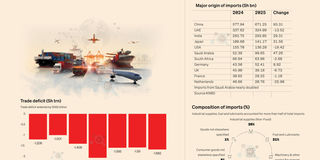
This is the first time in three years it widened after narrowing by Sh480 billion and Sh5 billion in 2023 and 2024, respectively.

The widening deficit came as firms ramped up overseas purchases to meet rising domestic demand or orders, while export growth remained constrained by soft global prices and volumes for Kenya’s key agricultural exports.

Kenyan firms for the better part of last year reported a marked rise in activity, sales, and purchases, with employment growth in December hitting its highest rate since November 2019.

This saw firms increase the import of raw materials as households increased orders for foreign-made goods.

Firms increased their purchases and inventories to maintain competitiveness and facilitate faster deliveries in December.

Supplier delivery times in the month improved significantly, reaching their best level since September 2021.

Business expectations for 2026 remained positive, buoyed by plans for investment, diversification, and increased advertising.

Imports from China, Kenya’s largest source of goods, rose Sh93.31 billion to Sh671.25 billion in 2025, driven by machinery, manufactured goods and electronics.

Shipments from India increased Sh29.31 billion, while imports from Japan rose by Sh31.56 billion, reflecting stronger demand for vehicles and industrial equipment.

Imports from Saudi Arabia nearly doubled to Sh99.65 billion, largely due to higher petroleum-related purchases, as transport and industrial activity picked up.

In contrast, imports from the United States, the United Arab Emirates and several European countries declined, pointing to shifts in sourcing rather than a slowdown in overall demand.

While imports surged, export earnings struggled to keep pace.

Kenya’s export basket remains heavily concentrated in primary agricultural products, leaving it exposed to volatile prices, climate-related disruptions and weak demand in key overseas markets.

As business confidence improves and firms continue to stock up, the pressure on the trade balance is likely to persist unless export volumes and diversification improve.

Follow ourWhatsApp channel for the latest business and markets updates.

PAYE Tax Calculator

Note: The results are not exact but very close to the actual.