KCB Kenya gets Sh20 billion AfDB financing boost for green projects

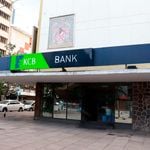
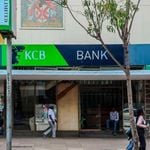
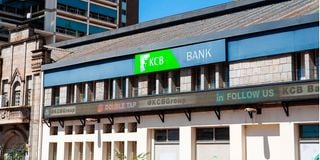
A KCB Group branch located along Kenyatta Avenue in Nairobi on February 23, 2025.

Photo credit: File | Nation Media Group

KCB Kenya has received Sh19.5 billion ($150 million) financing from the African Development Bank Group (AfDB), allowing it to expand its lending, especially to women-led entities and green businesses.

The country’s largest lender, by asset base, said Sh12.9 billion of the funds will be subordinated debt. Subordinated debt is classified as tier two capital and contributes to a bank’s total capital position that determines the amount of lending a bank can do.
KCB capital positions were above regulatory requirements as at the end of September. However, an increase in total capital ensures growth of its loan book, especially with the uptake of large ticket green projects.

KCB said it will use the funds for onward lending projects under renewable energy, infrastructure, and agriculture. Environmental awareness has seen businesses increasingly lean towards projects that are classified as green, including the installation of solar power and renovation of their buildings, creating opportunities for banks to grow their loan book.

“We are looking to strengthen our capacity in supporting customers focusing on green projects,” KCB Bank Kenya MD Annastacia Kimtai said.

“This partnership marks a significant milestone in our sustainability journey as it reinforces our commitment to scale up green lending and enable us to deepen our impact, catalyse private investment and support Kenya’s goal of achieving net-zero emissions by 2050,” she added.

KCB has been piling funds for lending to projects that prioritise environmental sustainability and high social impact, especially in energy, infrastructure, agriculture, health, and education sectors.

For example, in February, the bank received Sh12.9 billion ($100 million) from the British International Investment (BII) for lending to climate-related projects, which came on the back of Sh27.5 billion received from different international lenders last year.

Last year, KCB disbursed Sh51.8 billion ($402 million) in green loans, growing its green portfolio to 21.32 percent from 15 percent in 2023. The loans were largely extended to green products designed to foster energy transition, including initiatives in the blue economy, e-mobility, and climate change adaptation.

KCB was part of the consortium of banks that funded Safaricom’s Sh30 billion sustainability-linked loan. KCB partnered with Absa, Standard Chartered Kenya, and Stanbic to extend the loan to Safaricom in two tranches of Sh15 billion each, the first being in 2023 and the second one last year. KCB is pushing to allocate 25 percent of its portfolio to green initiatives by 2031.

“KCB has demonstrated strong leadership in sustainable finance, and we are confident this collaboration will deliver measurable climate impact and inclusive development for Kenya and the region,” said AfDB Director General for East Africa Alex Mubiru.

KCB will use Sh6.45 billion to deepen its presence in international transactions, with the AfDB providing a guarantee to other banks receiving letters of credit and similar trade finance instruments from KCB.

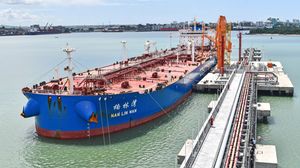
Trade finance helps the bank earn commissions off the balance sheet. KCB has been a key player in trade finance, including its role in the government-to-government (G-2-G) oil deal.

KCB Kenya contingent liabilities, which capture letters of credit, guarantees, swaps, and options issued under trade finance by the bank, were at Sh295.9 billion at the end of September 2025.

KCB had the largest size of contingent liabilities in the banking sector, signaling its dominance in trade finance. It earned Sh9.8 billion from fees and commissions, which were not loan-related in the nine months to September, pointing to the lucrativeness of trade financing.

PAYE Tax Calculator

Note: The results are not exact but very close to the actual.