Why the right hiking boots can make or break a trek across Kenya’s trails

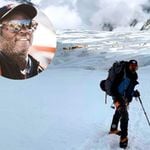
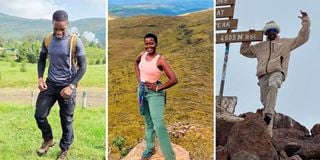
Hikers (from left) Vincent Sindani, Edith Jepkoech, and David Njema in different hiking expeditions. 

Photo credit: Pool

Hiking boots are more than just footwear. They shape comfort, performance and safety, often determining how successful a trek will be across different terrains. For those venturing into Kenya’s forests, mountains and rocky landscapes, choosing the right pair can make or break the experience.

David Njema, founder of Coordinates Trail, has been hiking for three years across forested trails, moorlands, alpine zones and rocky terrain. He hikes between 38 and 48 times a year, ranging from half-day and full-day treks to longer technical expeditions lasting up to five days.
“When I choose hiking boots, I look for grip, ankle support, comfort, durability and weather resistance,” Njema explains. He emphasises that ankle support is especially important on uneven or rocky terrain because it helps prevent sprains and injuries.

A proper fit

His choice of footwear depends on the trail: lightweight shoes for easy paths and heavier boots for difficult terrain or when carrying a heavy pack.

He prefers breathable synthetic materials because they are light, durable and dry quickly. “I always test new boots on short hikes and uneven surfaces before committing to long treks,” he says.

A proper fit, he adds, should allow for layering and leave a thumb’s width of space at the toes while preventing heel slippage. “Beginners often buy shoes that are too tight, wear light socks or skip testing, which leads to blisters.”

Breaking in boots is crucial. “Yes, break them in for a week or two with short walks before a long trek,” he says.

“I’ve recently used the following boots: the Quechua MH100 from Decathlon for around Sh6,500, the Salomon GTX I from Gikomba for about Sh2,500, the Merrell Moab Mid Waterproof boots from a local shop for roughly Sh4,500, and the Salomon X Ultra Mid GTX for about Sh28,000 to Sh32,000. These were brought in by someone who had travelled outside the country,” he says.

Performance, he adds, varies with price and terrain. “The Merrell and Salomon boots have worked best for Kenyan terrain because of their grip, comfort and ankle support. The cheaper Quechua pair was okay for light hikes but wore out faster and felt less stable on rocky or muddy sections.”

Hard to find

Availability remains a challenge locally. “Yes, I’ve had boots brought in from abroad because some models and sizes are hard to find locally,” he says.

Njema has also learned lessons the hard way. “I’ve gotten blisters from stiff new boots, had ‘waterproof’ pairs leak after a few months and slipped once the soles wore down,” he explains.

His break-in routine is deliberate. “First, I wear them around the house, then I take short walks, and finally I go on one or two easy hikes before trusting them on a long trip.”

Terrain also influences his choices. “For places like Mount Kenya, I prefer Salomon or Merrell because they’re light, supportive and have good grip. For easier trails, the Quechua boots are comfortable and affordable.”

Hiking boots on sale at an outlet in Nairobi.

Photo credit: Francis Nderitu | Nation Media Group

Njema also runs Uncharted & Unbothered, a wellness hiking and camping programme for women. These Friday-to-Sunday trips bring solo travellers together for guided gratitude sessions, wellness bonfires focused on mental health, waterfall meditations and bush journaling. Having the right boots, he says, is essential for these activities.

Elsewhere, Edith Jepkoech, an entrepreneur passionate about fitness and the outdoors, has been hiking for five years. She has summited Mount Kenya, Mount Satima, Mount Kinangop, Elephant Hill, Mount Ololokwe, the Namanga Hills and Table Mountain. She has also completed traverses in the Aberdares.

“Mount Ololokwe is rocky with gravel; Mount Satima has bogs; Mount Kenya has alpine terrain with rocky parts; and Elephant Hill has wet, muddy sections near the bamboo and rocky stretches toward the top,” she says.

Jepkoech averages 10 to 12 hikes per year, mostly day hikes lasting six to 12 hours depending on distance, altitude and weather. Comfort and grip are her top priorities.

“A hiking boot must handle slippery mud, provide ankle support and withstand wet and dry conditions without becoming heavy or uncomfortable,” she says. She opts for boots that are slightly larger than her feet to protect her toes during descents.

Ankle support becomes even more important when fatigued. “On Mount Kenya or Kinangop, the terrain becomes unstable. Ankle support prevents injuries and boosts confidence while hiking.”

Lightweight boots work for short trails, but heavier boots are necessary for rough terrain or unpredictable weather, such as in the Aberdares.

Jepkoech prefers synthetic boots with waterproof membranes for breathability and comfort. While durable, leather boots can be heavy and less breathable when wet. She gradually tests new boots, starting with short hikes such as those in the Ngong Hills, paying attention to pressure points, heel movement and overall comfort before attempting more demanding terrain.

Aesthetics vs function

She warns that beginners often make mistakes by buying tight boots or prioritising aesthetics over function. “Some have even ended up hiking barefoot when their boots failed mid-trail. That’s risky and avoidable with proper testing and fit.”

On pricing and sourcing, she says: “I’ve recently used Quechua, Lowa and Salomon boots, with prices ranging from Sh7,500 to Sh20,000. I usually buy from Decathlon and sometimes from thrift shops.”

Unlike some hikers, she says her purchases have mostly worked out. “Honestly, all my boots have served me well so far. When buying, I focus on quality — sturdiness, waterproofing, breathability and comfort are my priorities.”

Her break-in strategy is cautious. “I start with short walks and easy hikes, gradually increasing the distance while checking for pressure points and heel movement. I avoid using new boots on long or technical hikes.”

Socks and insoles matter

Vincent Sindani, a real estate and construction professional, has years of hiking experience and has covered nearly 30 destinations, including the Aberdares, Mount Kenya and Mount Kilimanjaro, in 2025 alone. His hikes range from five- to eight-hour day trips to eight-day expeditions.

For Sindani, comfort, weight and material guide his choices. “Synthetic, breathable boots are ideal for long, dry trails without heavy loads. Leather waterproof boots are better for rough, wet and rocky terrain or when carrying heavy loads because they provide more stability and comfort,” he explains.

He prefers leather boots for their durability, versatility and comfort. Like his peers, he tests boots on short walks and day hikes, wearing the same socks he plans to use on the trail — often thicker winter socks — to ensure proper toe space and comfort.

Socks and insoles also matter. They reduce friction, cushion the feet and provide shock absorption on long descents or rocky trails. Proper maintenance extends the lifespan of boots: leather pairs must be cleaned, conditioned, air-dried and stored away from moisture or extreme temperatures.

Sindani recommends Quechua boots for beginners because they are lightweight, waterproof and comfortable. Salomon boots suit rocky, technical trails, while Lowa boots provide durable, supportive footwear for long treks. “Comfort and functionality always come before brand or price,” he stresses.

On specific purchases, he says: “I’ve mostly used thrifted Merrell boots from Lantex Shoes for about Sh8,500, Salomon boots that were a gift, and Delta boots from 7Outdoor Lordes Gears for around Sh10,500.”

Performance, he adds, varies by terrain. “Merrell boots handle most Kenyan trails, whether rocky or muddy. They’re warm, comfortable and waterproof. I’ve used them on Mount Kenya and Kilimanjaro expeditions.”

Not every experience has been smooth. “I once got blisters from the Delta boots, and they were heavier than I expected,” he says.

“For long, dry hikes, Salomons are best because they’re light and breathable. But for steep descents, rainy Aberdares or multi-day hikes with heavy packs, Merrells are better because of their grip and stability.”

Sindani recommends heavy leather boots with waterproofing, gaiters and trekking poles to reduce pressure on the knees. Most importantly, he says, hikers should listen to their bodies, move cautiously and enjoy the experience.

Follow ourWhatsApp channel for the latest business and markets updates.

PAYE Tax Calculator

Note: The results are not exact but very close to the actual.