Time flies with great content! Renew in to keep enjoying all our premium content.
Prime
Kenya Power steps up concrete poles scheme
Kenya Power says shift to concrete poles makes economic sense. The concrete poles, the company argues, cost 33 per cent more but have a life span of more than 60 years, twice that of treated wooden poles. The new poles cost an average of Sh16,000.
Kenya Power has told tree farmers they will not lose out in its programme to replace wooden electric poles with those made from concrete.
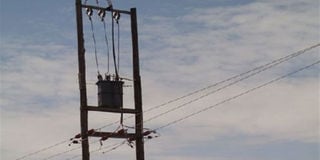
The project, which began last year seeks to replace 13,000 wooden poles in areas such as slums and swamps, which are prone to fire, water and termite damage by the end of the year.
So far, the power supplier has replaced 10,000 wooden poles.
However, the move has caused disquiet among some players despite reassurance that the programme will not adversely affect farmers involved in the business, which generates Sh3 billion annually.
Kenya Power also says the shift to concrete poles makes economic sense.
The concrete poles, the company argues, cost 33 per cent more but have a life span of more than 60 years, twice that of treated wooden poles. The new poles cost an average of Sh16,000.
“The use of concrete poles does not mean we are replacing all timber poles,” said Kenya Power Managing Director Joseph Njoroge.
“It is a green strategy to reduce reliance on wood and also offers an option for a lower cost transmission line.”
The company’s initial plan was to install 21,950 concrete poles.
Farmers and suppliers, on the other hand, believe that the higher production and handling costs of the concrete poles will shield their business although the programme may affect their long-term prospects in the business.
“There are some areas where it would be impractical to put up concrete poles, especially the steep valleys and far flung rural areas,” said Timber Treatment International Ltd Chairman Hosea Kiplagat.
However he said that while the concrete poles do not affect the farmers in short-term, they may deny Kenyans a chance to venture into forestry and affect the sector’s growth in the long-term.
Some stakeholders see the concrete pole programme as unsustainable due to high costs and vast projects by Kenya Power and Rural Electrification Authority (REA).
“This is a short-term measure. Concrete can only be reproduced in factories, it’s energy intensive and the number of poles they need is very high,” said Phanuel Oballa, national programme coordinator of agroforestry at Kenya Forestry Research Institute.
Some timber suppliers had started seeking alternative market for their trees targeting the construction sector, government agencies and parastatals long before the company embraced the concrete poles concept.
Kakuzi, which has about 905 hectares of commercial plantations, sells only about 3,000 timber poles to Kenya Power. However, the company supplies wood to REA, Kenya Wild Services and private construction companies.
“Kenya Power is very selective in terms of (pole) straightness, cracks. As a result we have not been selling many poles to them,” Sammy Chege, Kakuzi forestry division told the Business Daily.
The power supplier spends between Sh2.5 billion and Sh3 billion annually on wooden poles.
The power company takes up to 25,000 poles monthly, with about 13,000 coming from local farmers and the rest are imported from South Africa, South America, Tanzania, and Zimbabwe.