Hospital eyes Kenya’s maiden donor-cell bone-marrow transplants

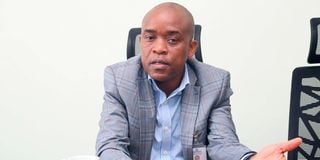
Gertrude’s Children’s Hospital CEO Dr Robert Nyarango engages in a past discussion at the Hospital in Muthaiga, Nairobi on March 19, 2025.

Photo credit: File | Nation Media Group

Children with blood disorders, including sickle cell anaemia and leukaemia, will soon be able to undergo bone marrow transplants in Kenya, eliminating the need to travel abroad for the procedure.

This follows the establishment of the region's first paediatric bone marrow transplant centre at Gertrude's Children's Hospital in Nairobi.
A bone marrow transplant involves replacing damaged or destroyed bone marrow with healthy stem cells. It is often used to treat conditions such as leukaemia, lymphoma, sickle cell disease, aplastic anaemia, and certain immune deficiency disorders.

The transplant helps to restore the body’s ability to produce healthy blood cells and fight infections after intensive treatments such as chemotherapy or radiation therapy.

The bone-marrow transplants take two formats: autologous or allogeneic. The primary difference is the source of the stem cells, whereby autologous transplants use the patient's own cells, while allogeneic transplants use cells from a donor.

Getrude's will offer both formats of transplants at its newly established Sh200 million facility.

“For years, many families have had to travel abroad for bone marrow transplants, which is both costly and emotionally draining. This facility will ensure that children in Kenya and the region can receive world-class treatment close to home,” the hospital's CEO, Robert Nyarango, said.

Nairobi West Hospital currently has a bone marrow transplant facility, but it is limited to autologous transplants.

In an autologous transplant, a patient’s own stem cells are collected before high-dose chemotherapy and later reintroduced to restore bone marrow function.

This method is commonly used for certain cancers, such as lymphoma and multiple myeloma, when the patient’s bone marrow is still healthy enough to be used.

Patients undergoing procedures at Gertrude's will pay around Sh4 million for autologous treatment and around Sh4.6 million for allogeneic treatment. This covers the pre-test, the treatment itself, and a 30-day hospital stay.

Although this is almost similar to the cost faced by patients in countries like India and South Africa, where often incur extra expenses of between Sh2 million and Sh3 million, in addition to the logistical and emotional toll of being away from home for months.

“The financial strain of travelling abroad can be unbearable for many families. When you factor in air tickets, accommodation, and extended stays, the total cost can double. By offering the procedure locally, we are removing those barriers,” explained Dr Nyarango.

The Getrude's centre is expected to serve 12 patients per year, for a start, as patients will require a one-month recovery period during which they must remain isolated in their rooms.

According to GLOBOCAN, Kenya records approximately 1,700 new leukaemia cases and around 1,300 leukaemia-related deaths each year, with around 3,845 people living with the disease after five years.

Meanwhile an estimated 14,000 children are born with sickle cell disease (SCD) each year, making it one of the country’s major inherited health conditions.

The national prevalence of SCD is around 0.2 percent, though this figure rises to about 0.6 percent among preschool children in rural areas.

PAYE Tax Calculator

Note: The results are not exact but very close to the actual.