Time flies with great content! Renew in to keep enjoying all our premium content.
Prime
Huawei’s Pulse is a fingerprint magnet, save for the camera
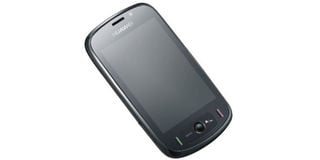
Huawei U8220 is a pleasant surprise. Photo/COURTESY
From humble beginnings with the HTC Dream, Android is starting to gain traction in the marketplace.
A steady growth in the number of devices from HTC together with more and more manufacturers coming on board means Google’s entry into the mobile space is really making inroads.
The next year is going to be exciting for Android fans, with Motorola launching the CLIQ and the Sholes, Samsung following up their i7500 with the i5700 and Behold 2, Acer shifting focus from Windows Mobile to Android not to mention LG and Sony Ericsson shipping their first Android devices.
Amongst the larger players aiming for the higher end of the market comes Huawei, best known for its mobile broadband dongles, with the U8220 handset, known as Pulse in other markets.
What makes the Pulse particularly interesting is its price point.
While the Pulse doesn’t feature the Teflon coating or soft touch surfaces of the HTC Hero, the build quality impresses.
Despite shiny plastic in abundance, the Pulse manages to carry off a solidity that belies it’s budget price point.
The front of the device is pure shiny black plastic, with a lighter coloured edge, black sides and a faux-carbon fiber effect back. This device is a fingerprint magnet.
Tipping the scales at 130 grammes (or about 4.6 ounces), the Pulse feels solid but not heavy in the hand and the device is free of any creaks or loose fittings.
The buttons respond with a reassuring click, the trackball is comparable to that found on HTC’s Hero, and the battery cover snaps into the back of the device with a firm snap.
The device manages to hold its own from a build perspective when compared with the HTC Hero or the HTC Magic.
The Pulse is very similar in design— shiny black plastic —to the Samsung Galaxy, the Samsung just managing to exude a higher sense of style with it’s black brushed effect keypad.
The Pulse features a 3.5-inch HVGA screen —the first we’ve seen on an Android phone — and noticeably larger in use than the 3.2-inch unit seen on its peers.
The Pulse’s primary camera is a 3.2 megapixel autofocus unit paired with a forward-facing VGA camera.
The inclusion of a dedicated camera button (missing on the HTC Magic and Hero) is useful and while the included camera software is pretty basic, it does allow you to select the front camera for self portrait photos.
Video capture resolution is a weak (as on most MSM7200-based handsets) 352 x 288.
Sadly, the camera is pretty awful. In well lit situations it’s adequate at best, but in low light situations it’s atrocious.
We’ve included some sample snaps in the gallery but they are so poor that we’re not entirely sure the camera is working properly.
The left hand side of the device is home to the power button and externally accessible microSD slot, the right hand side of the device has the volume and camera keys and the top of the device has a small flap behind which lie the micro-USB sync and charge port and the 2.5mm headset jack. A 3.5mm adapter is included in the box.
On the front of the device are the usual send and end buttons, together with a trackball, a menu key and, unusually, a combined home or back key.
A short press goes back, a long press goes to the home screen.
The red key functionality can be remapped in software - we’ve mapped ours to function as a home button.
We weren’t sure what to expect from the Pulse, but we are pleasantly surprised.
www.engadget.com
Unlock a world of exclusive content today!Unlock a world of exclusive content today!