Time flies with great content! Renew in to keep enjoying all our premium content.
Prime
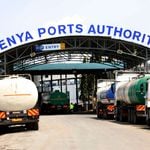
High Court suspends Kenya Ports Authority’s higher service tariffs
Justice Ngaah Jairus. New pricing schedule by KPA has raised trucking fees from Sh3,000 to Sh15,000 and also introduced an annual licence fee of Sh38,746.84 ($300) for clearing and forwarding agents.
The High Court has suspended new service tariffs by the Kenya Ports Authority (KPA), which were scheduled to be effective September 15, 2025.
Justice Jairus Ngaah issued the order after granting Container Freight Station Association of Kenya (CFSAK) leave to apply for several orders against the planned move.
“The grant of leave herein does operate as a stay of the respondent’s decision contained in the Tariff Book 2025 pending hearing and determination of the substantive notice of motion,” ruled Justice Ngaah.
KPA announced new charges in August to replace the current rates that have been in effect since 2012. The charges apply to marine services, ship dues, stevedoring, shore handling, wharfage, and storage as well as fees for general services.
Wharfage is a fee for handling goods as they pass through the port.
New pricing schedule by KPA has raised trucking fees from Sh3,000 to Sh15,000 and also introduced an annual licence fee of Sh38,746.84 ($300) for clearing and forwarding agents.
The CFSAK seeks to apply for orders to quash imposition of the shore handling charges on Container Freight Station (CFS) cargo, implementation of the revised stevedoring (loading and off-loading cargo) and wharfage rates, and the introduction of the "dirty cargo surcharge".
According to the association, clause 15.5 of the Tariff Book 2025 accords preferential tariff treatment to Inland Container Depots (ICDs) while excluding CFSs despite both being registered customs areas under the East African Community Customs Management Act.
The petitioner claims that KPA has made several changes to the tariffs for 2025, which have completely placed ICDs at an advantage, hence adversely affecting the financial performance and income of its members.
It also seeks orders to compel KPA to conduct proper stakeholder consultation, impact assessment, and cost-benefit analysis in compliance with the Constitution, Fair Administration Act, and Statutory Instruments Act before implementing any tariff adjustments affecting dry bulk cargo operations.
According to the association, KPA acted ultra vires (beyond its legal authority) in its statutory mandate by imposing charges for services it does not perform.
The case has been fixed for mention on October 1.
It argues that services such as shore handling are provided by its members, and yet KPA has unilaterally made a decision to revise them downward, hence affecting the income of its members.
The association argues that KPA failed to implement suggestions of its members despite a call for their views and engagement.
It argues that consultations were a farce and KPA paid no attention to them at all, contrary to the requirements of the Fair Administrative Action Act.
CSFAK says that its members decried the lack of meaningful stakeholder engagement in decisions that directly affect the logistics sector, resulting in policy pronouncements that are impractical, disruptive, and contrary to the legitimate expectations of industry players.
It says that the issues are not confined to the interests of its members but extend to the public, and that where unfair monopoly practices increase the cost of clearing and forwarding goods, it translates into inflated prices for basic commodities.
“The impugned tariffs, unless quashed and stayed, will occasion grave financial prejudice to the applicant’s members, distort fair competition in the port logistics sector and result in unlawful enrichment of the respondent,” part of the suit documents state.
CFSAK also seeks to apply for orders to restrain KPA from enforcing or implementing the provisions, and also a declaration that the tariff provisions are unlawful, unconstitutional, discriminatory, and procedurally unfair.