Kenya is not interested in funding from the International Monetary Fund (IMF) for the months to the end of the financial year in June, buoyed by billions of shillings it has received from the Kenya Pipeline Company's initial public offering (IPO) and issuance of new Eurobonds.
The Treasury says it has adequate funding options for the budget running to the start of the new financial year in July, dodging the painful aid conditions like higher taxes, job freezes and spending cuts associated with the fund.
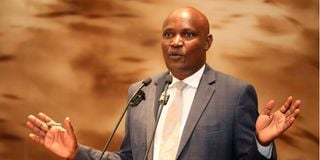
A team from the IMF's headquarters in Washington completed its staff visit to Kenya early this month, meeting top officials that included the Treasury Cabinet Secretary and the Central Bank of Kenya (CBK) Governor.
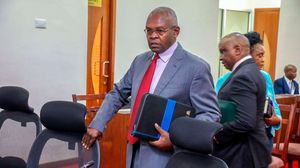
Treasury Cabinet Secretary John Mbadi said Kenya was not keen on new funding from the IMF, arguing that the talks focused on more technical details, without providing specifics.
With limited fiscal space for tax‑ or debt‑driven development, President William Ruto's administration has turned to securitising revenue streams and selling State assets.
The Treasury will bank Sh106.3 billion from the sale of a 35 percent stake in Kenya Pipeline Company and is also selling another 15 percent stake in Safaricom to South Africa’s Vodacom in a deal worth Sh244.5 billion.
Kenya also issued two Eurobonds of Sh290.3 billion ($2.25 billion) to fund a $415.35 million (Sh53.5 billion) buyback, leaving it with Sh237.7 billion for budget support.
The Sh588.5 billion from the two deals and surplus from the Eurobond deals is estimated at five times the cash the IMF would offer Kenya in a single fiscal year.
The IMF had set painful conditions in the wake of its surging loans post Covid-19 pandemic, including the need to increase tax revenues, cut budget deficits and restructure State-owned enterprises.
The lack of funding from the multilateral lender in the budget comes in a period when the Treasury is not expected to impose new major taxes or increase existing ones, fretful over deadly protests and keen to pacify voters ahead of the next General Election in August 2027.
“The IMF has not come to discuss whether we should have another plan or not. If we reach a new agreement that should be for the 2026/27 financial year,” Mr Mbadi said.
Kenya has also been turning to securitisation of some revenue streams like the fuel development levy to fund development projects, a move that initially curbed its ability to strike a deal with the IMF.
The Treasury has not factored in any funding from the IMF over the next four financial years, with its last programme with the fund having lapsed prematurely after the country failed to meet key conditions for funding.
Kenya failed to honour 11 conditions agreed with the IMF, including the restructuring of national carrier Kenya Airways (KQ) and a review of billions of shillings collected from fuel levies.
The costly break-up of the programme, which was inked in April 2021, saw Kenya miss out on Sh110 billion ($850.9 million) in IMF funding from the ninth and final reviews of the special programmes that was expected last month.
The World Bank is expected to remain the key source of cheap or concessional financing for Kenya over the medium term, which will be supported by smaller financing from the African Development Bank (AfDB).
The World Bank and the IMF have gained a bigger say in government policy after Kenya turned to the multilateral institutions for cheap concessional loans after the Covid-19 pandemic ravaged Kenya’s revenues and limited access to commercial loan markets.
Previously, Kenya had kept away from direct budget funding from institutions like the IMF during former President Mwai Kibaki’s administration, with most of the loans coming in the form of project support.
The multilateral loans come with conditions for the government to cultivate discipline and raise more taxes, cut expenditure and narrow the deficit.
A new IMF programme is still seen by analysts as crucial in ascertaining the credibility of fiscal, monetary and governance reforms.
“It’s really the signalling, whether you have a funded programme or not. The IMF brings credibility and is an external anchor that if the government is committed to a programme with it, this will lead to improved fiscal outturns,” David Rogovic, Vice-President-Senior Credit Officer, Sovereign Risk at Moody’s Ratings, said in a previous interview.
“The IMF can catalyse concessional financing but ultimately comes down to delivering the fiscal adjustment. The government needs to deliver on the fiscal plan to maintain positive investor sentiment and low market spreads.”
An IMF staff team returned to Washington from Nairobi and expects another round of talks in April.
The IMF’s mission chief to Kenya, Haimanot Teferra, noted the discussions would continue at the next IMF-World Bank Group spring meetings in April.
The IMF team, which began its visit on February 24, held discussions that highlighted the need to strengthen fiscal discipline, enhance fiscal credibility and build resilience to external shocks.
“The IMF staff team engaged with the authorities on recent macroeconomic and policy developments and key risks, including potential spillovers from developments in the Middle East,” Ms Teferra said.
Kenya’s snub of IMF financing also comes at a time when the country is pushing to lift itself from lower-middle-class status.
Part of the policy changes proposed includes weaning the country off multilateral financing to improve Kenya’s standing in the international capital markets, where it would look more attractive as a potential issuer.
Mr Mbadi previously claimed that Kenya did not need ‘IMF rescuing’.
“I want Kenyans to understand that the IMF's primary responsibility is not to fund budgets of member countries and instead is for balance of payments support. Going forward, we are trying to minimise our focus on the IMF, but it doesn’t mean that we are stopping our engagements,” he said last year.