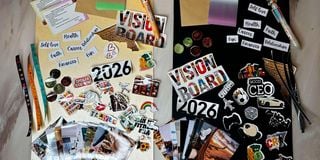
Vision boards, the new January ritual for many Kenyans

Increasingly, Kenyans are creating vision boards, covered in inspiring Pinterest and magazine cut-outs, and quotes to map out future goals.

For many people, every January means looking back at what went wrong or imagining what could go right.

Increasingly, that reflection for Kenyans is taking place on vision boards, covered in inspiring Pinterest and magazine cut-outs, and quotes to map out future goals. They want to see visual maps of intention that help them focus, stay accountable, and dream bigger.
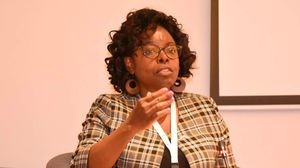
Esther Nalotwesha

Esther Nalotwesha created her first vision board last year after repeatedly encountering the trend on TikTok.

She says she had always been used to writing her goals down in a notebook, but creating a vision board felt like a creative shift.

“Around December last year, my "For You Page was full of vision board content, and I thought to myself, why not try this out? I liked the idea of cutting out photos, using visuals and colour instead of constantly writing goals on paper. I’m very visual, and seeing things in colour does something to me,” she says.

Esther Nalotwesha, lifestyle and wellness content creator, uses vision boards to stay focused, motivated, and intentional about her goals. 

Photo credit: Pool

Her current vision board, created on December 31, is for 2025 and reflects a deliberate annual ritual. She explains that she sets aside the final days of the year, from December 26 to 31, to reflect on how the year has gone and what she would like to change before translating those thoughts into visuals.

Rather than focusing on a single theme, she categorises her goals across different aspects of her life, including personal growth, career, travel, relationships, and health and wellness.

“I analyse my life honestly and ask myself which areas I’ve been slacking in and which ones are doing well,” she says. “If it’s my personal life, I’ll prioritise solo dates and spending time with myself. If it’s finances, I’ll decide that I need to track my spending and be more disciplined.”

Her boards combine pictures, quotes, and affirmations. It helps me remember what I’m working towards,” she says. "When you’re cutting out the photos and sticking them, something unlocks neurologically. Once you see it every day, it stays at the back of your mind. It becomes a constant reminder and a form of self-affirmation.”

She reviews her vision board quarterly and says the results have been tangible. “I achieved about 95 per cent of my goals,” she says. “I upgraded my phone beyond what I had planned, secured a corporate job after leaving a previous workplace, travelled extensively, and started my fitness journey. I only missed two goals, and those were due to personal reasons.”

During difficult periods, she says the board serves as motivation rather than pressure. “I remind myself that bad days are allowed, but I also think about the version of myself who made the vision board in December. She’s waiting for the version of me at the end of the year to say, ‘We did it.’”

While she keeps her vision board largely private, Esther says the intention behind it is deeply personal. “I believe people can’t ruin what they can’t see,” she says. “I’ll talk about my goals, but I don’t show the board unless it’s someone I trust and who genuinely wants to see me win.”

She views vision boards as both symbolic and practical. “They represent what you’re manifesting, but they also push you to check yourself. Once you tick off one goal, you ask, ‘What about the others?’” she says, adding that she plans to move from quarterly to weekly progress check-ins.

Her advice to first-time vision board creators is simple: honesty and boldness.

“Be honest about how you lived the previous year — the wins and the losses — and don’t be afraid to dream big. Many of the things I achieved felt impossible at the time, but dreaming is the starting point. Don’t do it for aesthetics or because it’s trending. Do it because you want to become the best version of yourself.”

When she looks at her completed vision board, Esther says the feeling is empowering. “I feel powerful, fulfilled, and motivated. Most of all, I feel proud of the young girl who dared to imagine more for herself.”

Jesse Njuguna

Elsewhere, Jesse Njuguna says his relationship with vision boards began from a place of skepticism rather than belief. Jesse says he initially dismissed vision boards as another form of short-lived New Year’s resolutions.

“I didn’t really see the purpose behind them. I thought they were like resolutions you forget about by February,” he says. His perspective shifted after a friend explained how vision boards can help clarify goals and keep them visible daily.

“When you place your vision board somewhere you can see every day, it constantly reminds you of what you’re working towards,” he says. "You alsohave to break those goals down into actionable steps.”

Jesse Njuguna, financial analyst and digital marketing specialist tracks goals daily with a vision board and breaks them into actionable steps.

Photo credit: Pool

His current vision board is for 2026 and follows a reflective process. Before creating it, Jesse reviews his previous board to assess what he achieved, then writes down his goals before building visuals around them. The main themes on his board centre on career growth, personal development, skill development, entrepreneurship, finances, and health and wellness.

“I want to be intentional about where I’m going in my career, the skills I’m developing, whether in tech, videography, or digital work, and how I’m growing my business,” he says. “I’m also very clear about my financial goals and the habits I want to build around discipline, consistency, and wellness.”

Visually, his boards rely largely on images, complemented by Bible verses and short keywords that serve as anchors for the year. “The verses usually reflect the season I’m in and help me stay grounded,” he says.

Accountability, he adds, is a crucial part of making vision boards work. Jesse breaks his goals into quarterly, monthly, and weekly targets and tracks them closely, often with the help of an accountability partner. “We check in on each other and call each other out when one of us is falling off. It makes the goals real,” he says.

The approach, he notes, has paid off. In 2025, he achieved several goals he had set for himself, including securing a new job that supported his professional growth and expanding his public speaking portfolio. “By the end of the year, I had taken part in over 10 opportunities as a panelist and moderator,” he says.

During difficult periods, Jesse says his vision board helps him maintain perspective. “It reminds me of the bigger picture and why I started. On days when you’re tired or unmotivated, seeing what you’re working towards helps you stay disciplined and trust the process.”

While he largely keeps his vision board private, he shares it with his accountability partner. “It’s personal, but having someone who understands your goals makes it easier to stay on track,” he says.

Jesse believes vision boards actively influence success rather than simply symbolising ambition. “After setting my goals, I pray over them and ask that my plans align with God’s will.”

His advice to first-time creators is practical: define goals clearly across different areas of life, choose visuals that genuinely resonate, break ambitions into actionable steps, and review progress regularly. “A vision board only works if you’re willing to put in the work,” he says.

Moreen Mathii

The idea of bringing hopes and dreams to life by visualising them has created an opportunity for sellers.

Moreen Mathii, an advocate of the High Court and the founder of Sarabi Creatives, which produces greeting cards, bookmarks, thoughtful gifts, and, most recently, vision board kits.

Moreen says her interest in vision boards emerged from a desire for clarity during a difficult personal season. “I started creating vision boards in 2022 as something visual and grounding that I could keep on my phone screen,” she says. “But I didn’t take the practice seriously until 2024, which was a particularly challenging year for me. As I prepared to enter 2025, I wanted a clean slate, clarity, direction, and intentionality.”

Moreen Wanjiru Mathii, advocate and founder of Sarabi Creatives, combines creativity and planning through vision boards to guide decisions and purpose. 

Photo credit: Pool

She explains that her approach to goal-setting is rooted in both structure and creativity. “I studied law because I wanted to understand power, challenge it when necessary, and use it responsibly,” she says. “I also enjoy shaping people’s lives through creative tools that move them from inspiration to action.”

That personal gap, she adds, inspired the creation of Sarabi Creatives’ vision board kits, physical, guided tools designed to make goal-setting more tangible. The kits, currently designed for 2026, are intentionally timeless and aimed particularly at young adults navigating transitions in career, faith, business, or personal growth.

“They balance between creativity and intentional reflection,” she explains. “They don’t just help people visualise their goals, they encourage practical steps towards them.”

Her own vision boards focus on balance rather than fixation on a single outcome. “The main themes usually include faith, career, business, finances, self-love, personal development, health, relationships, and even fun,” she says. “A balanced vision board allows for sustainable growth.”

“I start by seeking God’s guidance so that my plans align with His will,” she says. On her vision board, she combines images, Bible verses, affirmations, and aesthetic elements to evoke emotion and motivation.

In 2025, she set out to revive Sarabi Creatives and introduce something new. “The vision board kits launch has gone well,” she says. “There has been a lot of interest, purchases (a single vision board kit goes for Sh1,499), and inquiries. Seeing that progress has reinforced my belief in planning paired with consistent action.”

Victoria Muthoni

For Victoria Muthoni she says she began creating vision boards in 2022, initially out of a love for creativity rather than goal-setting. “Over time, I started doing it with intention to stay motivated.”

Her most recent vision board was for 2025, which was shaped around learning, relationships, and inner growth. “My main goals were learning a new skill, improving my relationships, growing spiritually, and pushing myself to go out more,” she says, noting that travel and exploration were important after identifying herself as an introvert.

Victoria Muthoni, student and video editor keeps her vision board visible to stay on track with learning, growth, and personal development. 

Photo credit: Pool

She structures her boards around five core areas: career, relationships, spiritual growth, personal goals, and finances. Visually, she relies on images, quotes, and numbers, largely sourced from Pinterest.

“They have to be realistic,” she says. 

For Muthoni, the board functions as a daily reminder rather than a distant aspiration. She keeps it as wallpaper on her phone and laptop. “Every time I open my laptop, I see what I want to achieve and remind myself of the steps I need to take,” she says. “It helps me reflect on how far I’ve come and whether the actions I’m taking are actually helping me move forward.

She says the practice has delivered tangible results. One of her most meaningful achievements was learning Kenyan Sign Language. “I didn’t just learn the language,” she says.

“I immersed myself in Deaf culture, interacted with people, made friends, and built real relationships.” She adds that her relationships, including with her partner, have grown healthier, while her faith has also deepened. “School is hard, but the vision board has helped me stay focused and keep going,” she says.

Muthoni shares her vision board with her siblings and partner. “They are a visual representation of what I want to achieve, and they help me work towards it,” she says.

She measures progress weekly by asking herself whether she has taken even a small action towards her goals. In learning Kenyan Sign Language, that might mean practising a new word, video-calling deaf friends to sign with them, or holding a short conversation.

“If I can manage even a one-minute conversation, I know I’m making progress,” she says. She applies the same approach to friendships, checking in intentionally and staying present.

Her advice to first-time vision board creators is to keep things simple. “Don’t overclutter it,” she says. “Choose five or six areas, add realistic visuals and a quote that truly speaks to you.” She also encourages flexibility.

“You don’t have to achieve everything,” she says. “I didn’t hit all my goals, like starting a podcast or reaching 1,000 YouTube subscribers, and that’s okay. Progress still matters.”

Realism, she adds, is key. “If you want a house, don’t put a mansion,” she says. “Put something achievable, like house keys or an apartment. That’s what keeps it motivating instead of discouraging. A vision board reminds me that I’m capable, that I’m actually building something and becoming a functional adult.”

PAYE Tax Calculator

Note: The results are not exact but very close to the actual.