Time flies with great content! Renew in to keep enjoying all our premium content.
Prime
Choosing plants for your pond
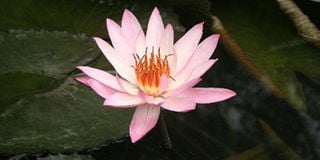
A beautiful night flowering water lily. Photo/FILE
A pond lying idle can be a haven for algae mosquitoes and other pests. What is meant to bring joy and beauty can be a nuisance, if not well looked after. The best part of having a pond is not having it bare and idle but taking time to pick out plants and animals for it. Plants keep the water clear and help oxygenate it to provide a home for frogs, fish, dragonflies and other animals.
The arrangement and plant type is really up to your taste and preferences. Water plants come in different types; marginal or bogs, deep-water plants and submerged also referred to as aerators or oxygenators. Each plant type has different water and planting requirements.
Water
Marginal plants, or bogs, grow in soil covered by several centimetres of water or near water bodies as they prefer shallow and mud. They are best planted in pond baskets filled with garden soil and a layer of gravel on top to prevent the soil from being washed away.
Deep water plants are rooted in soil before being placed in water. The leaves and flowers grow on or above the water surface. Deep water plants such as water lilies have large leaves that float on the water surface preventing the algae from growing and providing shade for the fish.
Lilies They should be distributed in a small section, not more than half the pond to allow oxygenators and other plants to receive some essential sunlight.
When selecting water lilies for your pond, ensure that when mature their leaves are not too large as they may end up covering an area larger than the one you had planned. They are planted in baskets in a similar fashion as marginal plants.
Floating plants have no roots in the soil but plants remain on top of the water. Submerged aka aerators grow entirely under water sometimes rooted at the bottom of the pond. They prevent growth of algae as they grab nutrients from the water and bogs that grow near water bodies.
Once all plants are in place, you can start investing in fish. The oxygenators absorb the toxins from fish waste as well as prevent growth of algae, ensuring that you have healthy fish. The water plants will not only serve as the food for the fish but also a habitat for them to lay their eggs.
Unlock a world of exclusive content today!Unlock a world of exclusive content today!