Time flies with great content! Renew in to keep enjoying all our premium content.
Prime
Extra-pulmonary tuberculosis new danger to organs
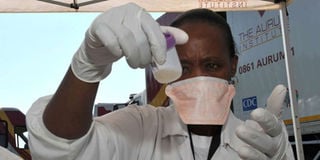
As the world marks Tuberculosis (TB) Day with the theme ‘Wanted: Leaders for a TB-free world’, which seeks to mobilise partners from private and public sectors including the government, NGOs, community leaders, people affected with TB, doctors and nurses and how each on us can contribute in their own work to end tuberculosis, it is important to address the adverse form of the disease, extra-pulmonary tuberculosis which is prevalent, especially in our immunocompromised patients from various causes.
The mention of TB conjures up images of a wasted person with a persistent cough, sometimes with sputum which may be bloody, chest pains, weight loss and fever with night sweats. Whilst these are the typical symptoms of a person suffering from pulmonary (lung) TB, there are other manifestations of TB, particularly extra-pulmonary TB, which few Kenyans are aware of.
According to a WHO report, tuberculosis is the leading cause of death, which ranks above HIV/Aids.
While pulmonary TB accounts for about 70 per cent of TB cases, extra pulmonary TB accounts for 20 to 30 per cent. This type of TB can affect any part of the body. Spinal TB is a potentially debilitating form of extra pulmonary TB as it can lead to paralysis. Any persistent back pain accompanied by fever and weight loss should trigger an alarm for spinal TB. The investigations needed to detect this form of TB are MRI, CT or ultrasound scans, X-rays, fine needle aspiration, or bone biopsy.
In Kenya, treatment for any TB both pulmonary and extra-pulmonary is provided free by the government.
Most people with TB are cured by strictly following a drug regimen that is provided to patients with support and supervision. Treatment of TB is sometimes complicated by resistance. This is a situation where the bacteria that causes TB does not respond to one or more of the drugs used in its treatment.
Resistance is caused by inappropriate, or incorrect use of antimicrobial drugs, or use of ineffective formulations of drugs (e.g. use of single drugs, poor quality medicines, or those kept in bad storage conditions) and premature treatment interruption. Detection is done using special laboratory tests which analyse the bacteria for sensitivity to the drugs, or detect resistance patterns.
Resistance can vary from one drug (mono resistance) to two drugs or more (multi-drug resistance). Drug resistant TB is a big concern in Kenya and the only solution to controlling it is making sure that the TB patient gets cured the first time round by providing access to diagnosis, having adequate infection control in facilities where patients are treated and ensuring the appropriate use of recommended second-line drugs.
Unlock a world of exclusive content today!Unlock a world of exclusive content today!