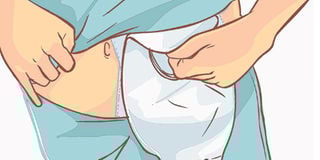
There are many Kenyans who have undergone surgery which forces them to use waste bags (stoma bags) that collect stool from a small hole on the abdomen.
The small hole in the abdomen is called a stoma. There is a lot of stigma still attached to use of stoma bag with many hiding in shame.
However, you can lead a normal life including swimming even if you wear a stoma.
Here is what you need to know if you or your loved one wears a stoma bag.
What conditions cause someone to undergo such a surgery?
There are different conditions that can lead one to undergo ostomy surgery including trauma to the rectum, colon or any other part of the intestine that requires protection.
We also have cancer of the rectum or lower colon and infectious conditions like complicated diverticular diseases (diseases affecting the colon with perforations) Stomas can be temporary or permanent.
Temporary stomas are usually reversed once the condition is healed while permanent stomas are not reversible.
Permanent stomas include those arising from cancer of the rectum as a result of surgeries performed to remove the cancer cells.
The surgery procedure interferes with the sphincter muscles that normally maintain constriction of a natural body passage.
What should you expect after the surgery?
Before surgery, patients should be sensitised and counselled of the possibilities of ending up with a stoma for them to be mentally prepared especially after the doctor’s assessment of the patient’s condition.
After surgery, the patient should resume their near-normal life. The patient will be given a colostomy bag, trained on how to use it and how to care for the stoma to avoid any infection.
How do I care for the stoma and the stomach?
Before discharge from hospital, the patient is shown the different types of colostomy bags and trained on how to use them and care for the stoma.
There are different types of colostomy bags including single-piece and double-piece. A double piece bag has a carbon vent which controls smell. Some bags can be cleaned and reused.
Will eating habits change after the surgery?
Having a stoma and the use of colostomy bags does not affect the patients eating habits and therefore no change is expected.
Do people who wear colostomy bags smell?
When the stoma and colostomy bag are well taken care of and hygiene is observed, there should be no smell. It is even difficult to notice someone who uses them.
How do I deal with shame, stigma attached to wearing the bag?
Initially, colostomy bags were not widely available and patients would use gloves and polythene bags which were not hygienic therefore causing the shame and stigma.
However, with the creation of awareness and availability of proper colostomy bags, hygiene has greatly improved and helped change public perception towards these patients.
The introduction of stoma therapy support groups has also helped sensitise stoma patients and the general public on the condition. Aga Khan University Hospital runs a support group for stoma and colon cancer patients that meets every second Saturday of the month.
Do Kenyan hospitals have nurses well trained to manage these conditions?
Even though not enough, most teaching and referral hospitals both public and private have at least two nurses specifically trained to handle stoma-related conditions.
How do I ensure cleanliness?
Stoma patients should shower normally and regularly with water and soap as the stoma is water-proof. After bathing, ensure that the stoma area is completely dried before you put the colostomy bag back on. For reusable colostomy bags, patients should ensure that the bag is completely emptied and properly cleaned to avoid smell.
How much do good stoma bags cost?
Generally, stoma bags cost ranges between Sh400 for a single piece and Sh1,000 for a double piece and a good quality colostomy bag.
How long does the stoma (hole) take to completely heal?
For a temporary/reversible stoma, it takes between six months and nine months (six to nine) to heal depending on the primary problem. Permanent stomas are not reversible but used for life.