Time flies with great content! Renew in to keep enjoying all our premium content.
Prime
Why do I pee often at night?
By Professor Yousef Ahmed
Do you experience pain when passing urine, have interrupted sleep at night due to frequent urinating episodes, or have urine leaking into your innerwear? Then you could be suffering from bladder outlet obstruction.
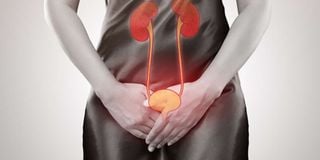
Bladder outlet obstruction is a condition that occurs when there is a blockage that slows or stops urine flow out of the bladder. The condition can cause urine to go back up into your kidneys, leading to renal failure (besides difficulty urinating and other uncomfortable urinary symptoms).
The condition is more common in men than women because women have a shorter urethra compared to men. Bladder outlet obstruction increases with age. Approximately, more than 60 percent of men over 50 years of age will at some point experience symptoms of bladder outlet obstruction.
Causes
Urinary obstruction is caused by a number of factors including enlarged prostate, infections to the bladder, prostate cancer, stricture in the urethra which restricts the flow of urine from the bladder, bladder stones, and tumors in the urethra, rectum, uterus, or cervix.
Symptoms
If you are suffering from bladder outlet obstruction you are likely to have pain when passing urine, have trouble when starting to urinate, or feel like you have a full bladder but cannot empty it completely. You will also often feel urine remains in the bladder after urinating, pass urine frequently at night, have a painful abdomen, and have a slow urine stream.
Diagnosis
Bladder outlet obstruction can be severe especially when there is the retention of urine that you could not pass, requiring urgent intervention, or chronic needing further investigation and treatment. If you suspect you have bladder outlet obstruction, get checked by your primary doctor or a urologist. The doctor will either conduct a urine analysis or a bladder scan to determine the cause of the symptoms. In rare cases especially where urine and bladder scan may not yield conclusive results, your doctor may require you to undergo a bladder CT scan or diagnostic cystoscopy.
Management and treatment
Timely diagnosis and treatment of bladder outlet obstruction are important to prevent serious problems caused by urine flowing back up into your body system. This can result in severe bladder problems including kidney failure.
If your condition doesn't require urgent care, your doctor might order tests to determine the underlying cause of your bladder outlet obstruction. In a majority of cases, treatment of bladder outlet obstruction depends on the underlying cause but might include medications or interventional surgery.
If you can't pass urine, emergency treatment includes the insertion of a tube through the tip of your penis and into your bladder. This tube helps urine drain from your bladder.
Lifestyle changes
The problem of enlarged prostate is affecting lifestyle habits. Modification of lifestyle including healthy food timed voiding (scheduled interval to urinate) drinking an adequate amount of water and exercises can help reduce bladder outlet obstruction with or without medication or intervention. Simple lifestyle changes like avoiding liquids before bedtime, limiting caffeine and alcohol intake, eating a low-fat diet, making fruits part of your diet, maintaining a healthy weight and physical activity can help manage an enlarged prostate thereby reducing urine flow obstruction.
Prof Ahmed is a consultant urologist at Aga Khan University Hospital Nairobi
Unlock a world of exclusive content today!Unlock a world of exclusive content today!