Time flies with great content! Renew in to keep enjoying all our premium content.
Prime
How raised-bed gardens can boost farming in your backyard
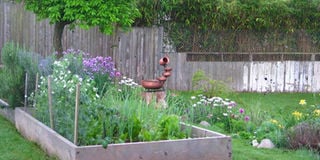
A raised bed provides function and aesthetic to a dull backyard. PHOTO | FOTOSEARCH
A raised-bed garden can provide the ultimate solution if your backyard has poor drainage and bad soil that is either low in nutrients or is compacted.
It can be built a foot or two off the ground, can either be permanent or temporary and is ideal for adding variety to the landscape.
Save for the many shapes and designs that can be used for raised bed gardens, they are a good idea for urban farming.
“Raised bed gardens are a good way of involving everyone in spite of their age and physical capabilities,” says Brenda Kamande, a landscape architect in Kiambu county.
You can either grow edibles such as culinary herbs or you can opt for flowering plants provided they do not have aggressive rooting systems.
Exceptions are potatoes, whose roots need a lot of room, and maize which would grow so high that harvesting would be difficult. Ms Kamande says it is vital that you know beforehand the materials needed to build raised gardens on your yard, the site and sunlight penetration.
“While bed designs depend on individual tastes and preferences, attention should be paid on their durability, and safety,” she says.
She shares the benefits and values of building raised bed gardens: Raised beds tend to use garden space more efficiently.
You can install different designs of beds at different spots in your yard to create variety. If the beds are for growing flowers, the more the colour the better.
If your beds are for consumables, grow plants closer together for higher yields. Companion planting can come in handy as most plants do better when planted with other, specific plants.
Reduce back strain
Raised bed gardens are typically more convenient to work on as they involve less bending on the gardener part.
This means you won’t have to bend over as far to reach the plants. With reduced back strain, even old people and disabled family members can take part in tending the garden.
With easier access and less pain potential, you’re better able to enjoy the labor involved in planting, tending, and harvesting your raised kitchen or flower garden.
Easy pest and weed control
Raised beds generally require less weeding than in-ground gardens. This is because soil conditions are more controlled with less chance of invasion by foreign seeds.
You can fill the tops of raised beds with sterile bag soil and mulch around plants to prevent airborne seeds from taking root.
To avoid an infestation of snails and slugs, install barriers and deterrents to thwart their efforts of an invasion.
You could for instance use copper barriers around sensitive crops. Snails and slugs don’t want to climb those walls!
Soil customisation
Once you have installed the frame of the beds, you are now set to decide on a good soil mix.
Bringing in new soil is mostly advisable if you reside in areas characterized by sandy or clay soils since these have poor drainage capabilities.
Add mulch, compost, topsoil, manure, and anything else that will help your garden grow. Note that this growing medium can be customised to suit your needs.
To determine if the soil is soft and airy, you can sink your forefinger all the way to the knuckle into the garden soil. Keep soil warmer.
Because raised beds are built above the ground, the soil in the bed is warmer than the soil in the ground. This owes to the fact that bed garden soils warm more quickly than most garden soils.
While other gardeners complain of poor yields due to the cold, you on the other hand will be reaping from your raised bed regardless of the weather conditions.
Growing a variety of plants
While raised beds are wonderful for growing almost anything, leafy greens, root vegetables and onions are most ideal. These are some of the crops that grow well in raised beds.
It is a fulfilling experience to have a single compact bed holding your favourite culinary herbs growing near the kitchen. The primary concern when growing in raised beds is always drainage. Suitable drainage is vital so that the plant roots do not rot from overly moist conditions.
Know the root depth of the plants since this has a bearing on whether they will do well in a raised garden or not.
Some of the flower plants you can include in your raised beds include lantana, geraniums and begonias. Add colorful plants and you have a long-lasting paint box garden to bring visual enjoyment