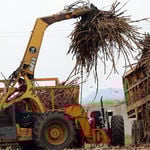
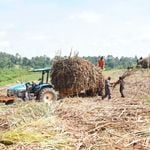
The volume of locally produced sugar fell 7.6 percent to 285,413 tonnes in the five months to May 2025, hurt by the low supply of mature cane for crushing.
Official data from the Kenya National Bureau of Statistics (KNBS) shows that in the five months to May, domestic sugar produced fell to 285,413 tonnes, compared to 308,946 tonnes recorded in a similar period last year.
April and May reported the lowest volumes of sugar produced of 36,194 tonnes and 32,760 tonnes, respectively. The month of February posted the highest volume of sugar produced of 76,663 tonnes.
The KNBS data also shows that cane deliveries fell in the five months to May to 3.14 million tonnes from 3.69 million reported in a similar period last year.
January and February have, however, had the highest records of cane delivered to factories since July 2024.
Cane deliveries have been problematic in recent months, with millers in western Kenya being forced to shut operations for three months amid concerns over the harvest of immature crop to produce the sweetener.
The directive by the Kenya Sugar Board (KSB) targeted seven factories, including Mumias, Butali, and West Kenya in Kakamega. The temporary closure from July 14, 2025, also affected Nzoia and Naitiri in Bungoma, as well as the Busia Sugar Industry and Olepito in Busia.
The industry regulator noted that the western Kenya region is facing an acute shortage of mature cane due to inadequate cane development to match milling capacity.
“This has led to the harvesting and subsequent milling of immature cane. Consequently, sugarcane farmers are incurring losses due to lower cane yields associated with immature cane harvesting,” said KSB acting CEO Jude Chesire.
Typically, cane maturity in western Kenya takes between 16 and 18 months for the optimum development of sucrose. Sucrose, or the sweet juice in cane, is what is used to produce sugar crystals.
However, over the past months, factories have increasingly processed 10-month-old cane, far below the recommended maturity period necessary for optimal sucrose levels.
The harvesting of immature cane has been blamed on cane poaching, as mills scramble to meet crushing quotas, resorting to harvesting from neighbouring farms.
The factory shutdown orders have become common amid competition for mature cane. In July and November 2023, the Agriculture and Food Authority (AFA) directed several mills—including Chemelil, Muhoroni, Miwani, Mumias, Nzoia, and West Kenya—to halt production. The aim was to curb the processing of immature cane and allow fields time to mature.
The four-month ban targeted factories lacking sufficient mature cane and suffering from cane poaching, where mills harvested from growers with younger crops, sometimes only 10–13 months old, instead of the ideal 16–18 months.
During the suspension, imports were ramped up under duty-free provisions to fill the shortfall, which helped stabilise domestic prices.