Time flies with great content! Renew in to keep enjoying all our premium content.
Prime
State eyes more cooking gas dealers on pay-as-you-go model
Epra is seeking to allow more cooking gas dealers to sell the commodity using a token-based model to give consumers more flexibility and drive use of liquefied petroleum gas.
The State is seeking to allow more cooking gas dealers to sell the commodity using a token-based model to give consumers more flexibility and drive use of liquefied petroleum gas (LPG).
This will be implemented in the Guidelines on Licensing LPG Cylinders Smart Meter Technology Providers, 2025, which will see Kenya embrace the sale of cooking gas on a pay-as-you-go basis. This will see the country move away from the current situation in which over 90 percent of the commodity is sold in packages that do not offer consumers payment flexibility.
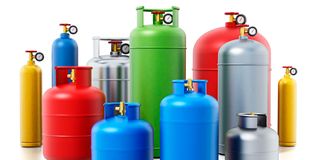
Cooking gas is available in four packages - the six kilogramme and 13kg for homes, and the 22.5kg and 50kg for businesses and institutions. The cheapest package is the 6kg one, which retails at upwards of Sh1,300.
Currently, a handful of dealers, notably M-Gas and PayGo Energy, are pioneering the token-based model in what the energy regulator describes as market feasibility tests.
The Energy and Petroleum Regulatory Authority (Epra) says that offering homes and businesses buyer flexibility is key to spurring growth, as consumers will now be able to buy cooking gas based on their available cash.
“The feedback on the uptake of the technology has been positive, necessitating the development of a framework to facilitate the operation and full adoption of the technology,” Epra says in the regulations currently open to the public for scrutiny.
“This framework guides the licensing of sale of LPG through the LPG smart meter model, consumer protection considerations, smart meter safety and environmental health and safety (EHS) requirements.”
Granting consumers more flexibility is key to helping the government drive LPG per capita consumption from the current 7.5kg to 15kg. This model is critical in the low-income settings amid economic hardships that are pushing households to cheaper but harmful options like charcoal.
Consumption of cooking gas hit a record high of 413,960 tonnes last year, a growth of 14.8 percent from 360,590 tonnes used in 2023 as more households, institutions and businesses switched to LPG as their preferred cooking fuel.
“The affordability of LPG as a fuel in households is key to achieve this strategic objective (doubling per capita consumption of LPG to 15kg),” Epra adds.
Last year’s growth in LPG consumption could have been higher had dealers lowered prices of the commodity in line with the government’s decision to reduce taxation on it.
The government removed the eight percent value added tax, 3.5 percent import declaration fee and the 2.5 percent railway development levy on cooking gas two years ago in a bid to lower prices of the commodity and spur its consumption.
The tax cuts are part of an ambitious plan by the government to make LPG the number one cooking fuel and reduce the use of dirty fuels like kerosene and charcoal.