CBK withholds Treasury dividends first time in 7 years

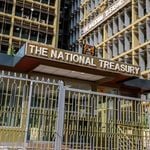
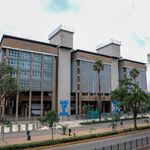
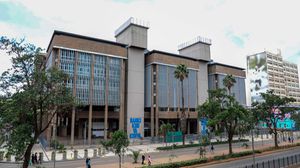
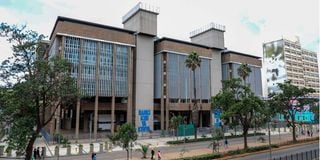
The Central Bank Of Kenya.

Photo credit: File | Nation

The Central Bank of Kenya (CBK) has withheld dividends to the Treasury for the first time in seven years despite declaring a surplus of Sh65.8 billion, hurting State revenues.

The banking regulator retained profits in the race to increase capital to Sh100 billion ahead of 2027, up from Sh60 billion.
The CBK paid dividends of between Sh2.5 billion and Sh30 billion over the past five years to the Treasury, easing a financial crunch that has seen the State cut expenditure and borrow more.

The withholding of dividends comes in a period when the Treasury has refrained from imposing new taxes or increasing existing ones after deadly protests last year against the State’s revenue-raising measures.

Kenya has been seeking new sources of funding and non-tax revenues such as dividends from State agencies and the sale of government shares in blue-chip firms such as Kenya Pipeline Company (KPC) and Safaricom.

“The surplus for the year was Sh65.8 billion, made up of Sh52 billion operating surplus and Sh13.8 billion unrealised gain,” says CBK via its audited financial statements.

“The surplus has been included as part of the General Reserve Fund. The directors recommend a transfer of operational surplus in the year to 30 June 2025 of Kenya shillings nil million (2024: Sh30 billion) to the Consolidated Fund.”

The CBK paid Sh30 billion in dividends last year despite a deficit of Sh24.8 billion.

The banking regulator plans to increase its capital base to address vulnerabilities in the financial sector.

It increased its authorised capital to Sh100 billion in April last year, up from Sh50 billion, allowing it to convert more of its retained earnings to paid-up capital. During the year, it increased its paid-up capital to Sh60 billion from Sh50 billion in 2024 and Sh38 billion in 2023.

This means the bank has a window to further convert Sh40 billion from its general reserve to paid-up capital.

The bank’s general reserves—retained earnings—stood at Sh357.3 billion in June 2025, up from Sh300.7 billion a year earlier.

The general reserves constitute Sh114.7 billion of actual profits, while Sh242.6 billion is book gains. The reserves act as a cushion from exchange losses that the bank may incur in the event the shilling gains against major currencies in the near future.

The high holdings could, however, reignite debate over the fraction of surpluses that State agencies can retain, especially where the government might be forced to seek debt to plug budget shortfalls.

The law allows the bank to retain at least 10 percent of its profit. It is also the bank’s policy that dividends be declared net of unrealised income and other revaluation gains.

The CBK operates outside of the Parastatals Act, which gives it leeway on how it declares dividends, unlike other State-owned firms, which are influenced by the Treasury.

CBK’s return to surplus was buoyed by a reduction in loan loss provisions and weakening of the shilling against the pound and the euro.

The regulator reported a recovery of Sh22 million regarding advances to commercial banks compared to a provision of Sh3.7 billion made in June 2024. The gain saw it record an operational surplus of Sh52 billion, up from Sh49.2 billion the previous year.

Revaluation gains topped Sh13.8 billion as the shilling weakened from an average of Sh163.9 units to the British pound in the financial year ended June 2024 to an average of 177.5 at the end of June this year.

The regulator had posted a foreign exchange loss of Sh73.5 billion in the year ended June 2024, following the shilling, which gained against the dollar to hold steady at 129 to the dollar in the last 12 months.

Some of the assets that the government is selling to plug its funding gaps include Kenya Pipeline Company (KPC) through whose listing the Treasury hopes to rake Sh100 billion. Others earmarked for sale include the Consolidated Bank of Kenya, Development Bank of Kenya, Kenya International Convention Center (KICC) and milk processor, New KCC.

The Treasury is also contemplating further reducing its stake in listed telecommunication firm, Safaricom.

PAYE Tax Calculator

Note: The results are not exact but very close to the actual.