Maize seed production at the Perkerra Irrigation Scheme in Baringo dropped 31.8 per cent last year following the outbreak of maize rust disease.
The fungi (Puccinia sorghi) attacked maize leaves at flowering stage, causing production to fall to 1.5 million kilogrammes from 2.2 million kilogrammes in the previous year.
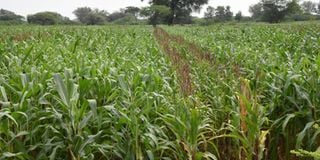
About 300 acres out of the 450 acres contracted by both Kenya Seed Company and Monsanto were affected.
“In 2019, farmers sold 24,444 (90-kilogramme bags) of certified maize seed but that dropped to 16,667 bags in 2020,” Marigat Farmers’ Co-operative Society chairman Sammy Chepkirui told the Business Daily.
In June, Perkerra manager Wafula Simiti linked the outbreak of the disease to cold weather following heavy rains that pounded the area between March and May.
Low harvest saw farmers’ earnings fall by Sh20 million, representing an 11.8 per cent drop.
“Earning from the maize seed fell from Sh170 million in 2019 to Sh150 million in 2020,” said Mr Chepkirui.
This is set to affect local farmers who depend on the scheme since the area is semi-arid with sporadic rainfall annually.
The scheme, which is managed by the National Irrigation Board, supports about 13,000 farmers directly.
This is besides thousands indirectly benefiting in the larger Baringo and Nakuru counties.
Marigat sub-county, where the scheme is situated, contributes about Sh54 million annually to the Baringo County kitty from agricultural proceeds.
Farmers in the area are also contracted by Simlaw, a subsidiary company of Kenya Seed Company, to grow green grams, cow-peas, sorghum and millet on 1,000 acres.
Unlock a world of exclusive content today!Unlock a world of exclusive content today!