Time flies with great content! Renew in to keep enjoying all our premium content.
Prime
No longer a buzzword: How cashless approach builds trust, efficiency in businesses
In 2024, the volume of mobile money agent transactions exceeded Sh8.7 trillion, signalling that the country is decisively moving away from physical cash.
There was a time when cash was king. But that kingdom is quickly fading, and in its place stands a new order that is faster, safer, and more transparent.
Across Kenya, from bustling matatus to the smallest corner kiosks, the steady hum of mobile money transactions has become part of daily life. It’s not just a convenience anymore; it’s slowly turning into an expectation.
Without a doubt, Kenya’s embrace of a cashless economy is one of Africa’s most remarkable digital success stories.
Communications Authority of Kenya recently reported that by March 2025, mobile money subscriptions had reached 45.36 million accounts, close to 80 percent of Kenya’s adult population.
This surge is underpinned by both rising daily use and a thriving fintech ecosystem.
Kenya is already a global reference point in this space. The platform has transformed from a basic peer-to-peer transfer tool into a daily life companion that facilitates bill payments, grocery purchases, and even the disbursement of microloans. In 2024, the volume of mobile money agent transactions exceeded Sh8.7 trillion, signalling that the country is decisively moving away from physical cash.
At the heart of this transformation is access. With over 17 million Kenyans owning smartphones and internet connectivity reaching more than 40 million users, the nation is firmly plugged into the web.
This connection fuels more than social media chatter; it accelerates commerce. Customers can now browse digital marketplaces, compare options in real-time, and settle payments instantly, all from their pockets or with just a few clicks.
It’s not only mobile money that’s thriving. The adoption of debit and credit card payments through platforms like Visa and Mastercard is steadily growing. Banks have rolled out sleek apps that let users link cards to their phones, creating a seamless bridge between traditional banking and digital wallets.
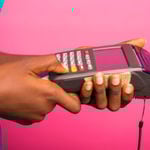
As businesses—large and small—recognise the value of staying relevant, competitive, and trusted, they are embracing this trend: adopting unified payment gateways that accept everything from QR codes to tap-and-go cards.
At its core, going cashless is about trust. When customers pay digitally, they feel safer. There’s a record of every transaction, a receipt, and an audit trail that holds everyone accountable.
For businesses, this translates into fewer cash-handling errors, reduced theft risk, and a faster path to service delivery.
When a customer no longer has to fumble for exact change, wait in a crowded line, or worry about counterfeit notes, their experience improves. And when that experience is consistent and transparent, loyalty grows.
That’s why brands are boldly stepping into the cashless era. For millions of Kenyans, a cashless economy has transitioned from being a buzzword to a daily reality, bringing more individuals into the formal financial fold and reducing the opacity of the informal economy.
The writer is the Managing Director at MultiChoice Kenya
Unlock a world of exclusive content today!Unlock a world of exclusive content today!