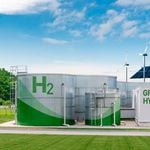
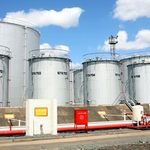
In the 21st-century energy race, a striking shift is underway. While the US appears to be drifting back toward fossil fuels, China is quietly and steadily asserting itself as a global leader in renewable energy.
This shift is not just symbolic—it reflects profound differences in vision, strategy, and commitment that will define the direction of global development for decades to come.
For years, the US was seen as the standard-bearer of clean energy innovation. From pioneering breakthroughs in solar and wind technology to early leadership in climate accords, the US seemed destined to guide the world toward a sustainable future.
Yet recent trends tell a different story. Energy policy in Washington has become increasingly reactive—shaped by short-term market fluctuations, political gridlock, and mounting concerns about inflation and energy security.
As a result, fossil fuel production has not only rebounded—it is accelerating. US oil output is near record highs, natural gas exports are booming, and new drilling projects are being approved at a rapid pace.
While this shift is understandable in the context of economic stability and energy independence, it risks undermining the long-term progress the US once championed.
China, meanwhile, is undergoing a far-reaching energy transformation that is often overlooked in Western commentary. Once seen as a heavy emitter tied to coal, China has emerged as a pioneer in renewable energy development. It now leads the world in solar panel manufacturing, wind turbine deployment, and electric vehicle adoption.
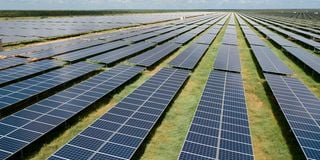
Massive solar farms blanket its deserts, offshore wind parks are expanding, and entire metropolitan areas are moving toward cleaner energy systems.
What sets China’s approach apart is its scale, consistency, and strategic foresight. Renewable energy is not viewed as a supplemental technology—it is treated as a national priority, central to the country’s long-term economic, environmental, and industrial goals.
Crucially, China’s leadership extends beyond its borders. Through international initiatives and partnerships, Beijing is helping developing nations access affordable, reliable clean energy solutions.
From financing green infrastructure projects to sharing renewable expertise, China is contributing to a more inclusive and equitable global energy transition—one that considers the needs of emerging economies often left behind in Western-centric climate agendas.
This role is particularly significant as the impacts of climate change become increasingly urgent.
From floods and wildfires to heatwaves and droughts, the signs are no longer warnings—they are present-day challenges. In this context, the country that scales renewable energy most effectively will not only shape the world’s supply chains but also offer hope for resilience and sustainability.
Of course, no energy transition is simple, and both the U.S. and China face complex domestic challenges. Each has vast geographic and economic diversity, and both are navigating the trade-offs of maintaining growth while reducing emissions.
But China’s approach is marked by long-term planning and policy continuity. Its energy strategy is integrated with national goals in industrial upgrading, environmental protection, and global competitiveness—creating a clear and coordinated path forward.
The United States, by contrast, often sees its energy policy fluctuate with election cycles and partisan shifts. While many American states, companies, and innovators are doing vital work in clean technology, the absence of consistent federal leadership has made it difficult to sustain momentum.
This lack of coherence can deter investment, delay critical infrastructure, and weaken the country’s ability to lead globally on climate issues.
Yet the story is far from over. The US remains a powerhouse of scientific research, entrepreneurial dynamism, and clean energy innovation. But translating these strengths into lasting leadership will require more than market forces—it demands national vision, bipartisan commitment, and a willingness to place long-term sustainability above short-term politics.
The global energy race is no longer just about generating power—it’s about shaping the future of development, equity, and resilience.
While the United States recalibrates its fossil fuel strategy, China is building a renewable foundation for tomorrow’s world—efficient, inclusive, and transformative.
If the US hopes to reassert its leadership, it must not just compete with China—it must learn from it. Because in the race for a cleaner planet, the real victory lies not in dominance, but in direction.
The writer is a Journalist and Communication consultant
Unlock a world of exclusive content today!Unlock a world of exclusive content today!