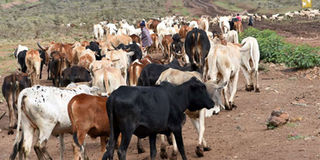
Water levels and vegetation have improved in arid and semi-arid lands (Asals) following the off season rains, coming as a relief to pastoralists who lost thousands of livestock in the recent drought.
Latest data released by the National Drought Management Authority (NDMA) indicates that more than half of the Asals counties have registered a significant recovery on vegetation and water levels following last month’s rains.
NDMA chief executive officer James Oduor said their was normal water level and that the vegetation was expected to fully recover by the end of April.
“The off season rains have saved the situation in Asals region as we have seen much improvement in water levels and vegetation,” said Mr Oduor.
He added that some of the communities have planted and the crop has germinated well, boosting food security in the region that is prone to hunger.
Regions that have shown significant improvement in vegetation cover include Baringo, Mandera, Turkana, Marsabit, Garissa and Isiolo.
They were hit by a serious drought in January and February forcing government intervention through food aid to salvage the situation.
According to the United Nations Children’s Fund (Unicef), the most vulnerable counties by the drought are Turkana, Marsabit, Samburu, Tana River, Isiolo, Mandera, Garissa, Wajir and Baringo.
This is because of the failed rains in 2017 and expected dry season this year.
Red Cross started a campaign to raise Sh1 billion to feed 3.4 million Kenyans faced with hunger across the country in February.
NDMA requested Sh3.8 billion between February and April to curb hunger, as some of the Asal counties that require relief had already reached the alarm stage.
The government also released about three million bags to the residents of drought-stricken Tana River, Kilifi, Taita-Taveta, Kwale and Kajiado counties to save them from the biting hunger.
Unlock a world of exclusive content today!Unlock a world of exclusive content today!