Kenya’s Tourism Fund (TF) is undergoing transformation with ambitious projects aimed at bridging skills gaps, expanding infrastructure and strengthening compliance.
The agency — which collects 2.0 percent tourism levy on gross sales from regulated hotels, restaurants and tourism establishments — is tasked with financing tourism sector development, building capacity for personnel and institutions, and enhancing strategic partnerships to help the country double annual visitors to five million.
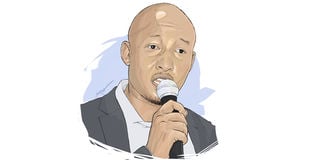
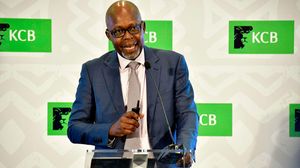
The chairperson of the board of trustees, Samson Some, spoke to the Business Daily about the fund’s achievements, ongoing initiatives and future plans.
You came in nearly three years ago. What have been the major achievements of the Tourism Fund since you took over?
There are three key achievements I would highlight. First, we successfully launched the long-awaited Tourism Training Revolving Fund 14 years after it was first planned.
The fund is designed to finance programmes that address critical human resource gaps in the tourism sector, especially in areas such as pastry production, cruise certification, culinary arts, and event management.
Second, we have revamped capacity-building programmes across the country, focusing on the Recognition of Prior Learning (RPL). This initiative has certified over 7,000 workers, ensuring that those already in the sector are formally recognised for their skills, while being prepared for higher productivity both locally and internationally.
Third, we are working on product development and infrastructure projects, investing in national parks such as Embu and Likuyani (in Kakamega) as part of development of the Western Kenya Circuit, upgrading water reticulation systems in Tsavo, and we are starting initiatives in Migori in a month's time.
At the same time, we are spearheading the development of the Bomas International Conference Centre (BICC), which promises to transform Kenya into a premier Meetings, Incentives, Conferences, and Exhibitions (MICE) destination.
What tangible investments have TF put in the ongoing product development projects?
We have several major investments underway. Embu National Park has received Sh55 million, Likuyani another Sh55 million, and Migori Sh100 million.
In Tsavo, we are investing Sh165 million in water reticulation, including dams, watering points, and other critical infrastructure for wildlife.
In addition, we are developing trails, walkways, and convenience facilities around Mount Kenya and other key tourism sites. There are nine projects currently in progress this quarter, all designed to expand the diversity and accessibility of Kenya’s tourism offerings.
The Bomas International Conference Centre has been described as a game-changer on completion. Can you tell us more?
BICC is indeed a landmark project. It is a public-private partnership aimed at positioning Kenya as a premier MICE destination. The first phase, with an 11,000-person capacity, is expected to be completed by June. The funding model combines private investment with a percentage of tourism levy collections to repay investors.
The centre is expected to have a multiplier effect on Kenya’s tourism economy, benefiting events, nightlife, hospitality and entertainment across Nairobi and beyond. Event organisers, curators, and performers will have a ready platform, complementing our capacity-building efforts and providing practical opportunities for the workforce we are training.
How is this fund helping existing professionals in the tourism sector?
This is where the RPL [Recognition of Prior Learning programme] comes in. Many professionals have been practicing for years without formal certification.
Through RPL, we have certified over 7,000 workers, giving them recognised credentials while enhancing productivity. These certifications have opened up opportunities abroad, particularly in the Middle East and Europe, as the skills meet international standards.
These initiatives need a lot of money. Yet, the tourism levy collection has been a challenge in the past. How are you addressing this?
When we took over, collections [from tourism levy] stood at Sh3.9 billion. We have now increased them to Sh6.1 billion. We achieved this by digitising the collection process through e-Citizen and implementing e-levy systems that allow real-time monitoring.
We also engaged third-party agencies to manage historical defaults. The 2.0 percent tourism levy is collected on behalf of the government, but some business operators previously misunderstood this and assumed it was an additional cost. By educating the industry and streamlining the process, compliance has improved, and arrears have been minimised.
But it adds to multiple levies that business are grappling. What are you in partnership with other agencies doing to lessen the burden?
We are actively engaging the Intergovernmental Relations Technical Committee and county tourism committees to streamline licensing and levy collection.
Our goal is to establish a single collection point that serves both national and county requirements, reducing bureaucracy and easing compliance for businesses.
Our experience shows that when processes are digital, clear, and centralised, the private sector is supportive. We are committed to making compliance simple, transparent and efficient.
Some critics question the relevance of the Tourism Fund. How do you respond?
Those doubts usually come from people outside the sector. Within the industry, the impact is clear. The revolving fund, RPL programmes, TPU [Tourism Police Unit] financing, and BICC development are all tangible initiatives delivering real value.
Product development projects at Embu, Likuyani, Migori, and Tsavo are expanding tourism offerings and preparing Kenya for millions of visitors. These initiatives strengthen both domestic and international appeal.
With all these initiatives, how do you envision Kenya’s tourism sector evolving in the next five years?
Our goal is to prepare Kenya to compete at a global level. This means developing world-class infrastructure, upskilling the workforce, enhancing security, diversifying tourism products, and streamlining levy collection and compliance.
If these plans are executed successfully, Kenya will attract more visitors, maximise revenue, create employment opportunities and strengthen its position as a regional tourism hub.
What are your final thoughts?
The Tourism Fund is making a real impact. For those outside the sector who question its relevance, I encourage them to visit the projects, see the training programmes, and experience first hand benefits being delivered.