Flower farm Star Bright Holdings is set to receive a €11 million (Sh1.6 billion) loan from the International Finance Corporation to fund additional investments in its farms in Kenya and Ethiopia.
The Mauritius-based company has 10 flower farms in the two countries – seven in Kenya and three in Ethiopia. The multinational will plant flowers on an additional 50 acres in Nakuru County as part of the expansion.
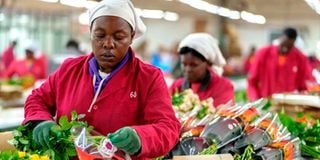
The loan from IFC will help the multinational fund a total new capital expenditure of €15.4 million (Sh2.3 billion).
The company will set up greenhouses, expand packing houses, establish a propagation facility and install hail nets.
The loan will also support the group, which specialises in production of summer flowers under the Marginpar brand, set up water recycling at the packhouses and installation of energy efficient lighting in the Nakuru farm.
“The proposed investment is a senior loan of about Sh1.6 billion (€11 million) to Star Bright for its capital expenditure in its Kenya and Ethiopia farms and people and culture and IT developments,” said IFC in its disclosures.
PE funds
Star Bright operates Kariki Kudenga Farm and MR Farm in Molo, Kariki Naivasha Farm, Kariki Juja Farm in Kiambu, Bondet Farm in Nanyuki, and KS Farm and ST Farm in Nakuru. Three of the farms (MR, KS and ST) were acquired from Carzan Flowers in 2018.
Star Bright is majority owned by private equity funds, AgriVie and Norfund, with 42 percent and 25 percent, respectively.
Other shareholders are co-Founder Richard Fernandes (19 percent) and Rob Koning (6 percent) with balance held by minority shareholders. The company has production output of approximately 200 million flower stems a year that are exported to European and Asian markets.
Cut flower exports from Kenyan farms grew last year with 66,688.3 tonnes sold in the six months to June 2025 from 52,542.1 tonnes a year earlier. The value of the flowers sold rose 19.5 percent to Sh47.1 billion in the half year to June 2025 from Sh39.4 billion.
Most of Kenya’s flowers are sold to the Netherlands –about 70 percent, followed by the United Kingdom with other significant markets being Germany, Italy and France.
Star Bright also operates three flower farms in Ethiopia while also sourcing from partner farms in Tanzania and Zimbabwe.
Kenya’s flower industry has been under pressure with some players shifting to Ethiopia citing high operating costs in the country including labour, power tariffs, freight costs and tax levies.
Last year, the government extended a two percent Standards Levy, originally meant for manufacturers, to include flower exporters, a move that industry players said would inflate costs and weaken Kenya’s position in the global market. Kenya is the largest exporter of cut flowers in Africa followed by Ethiopia.