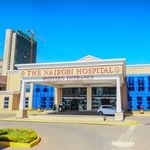
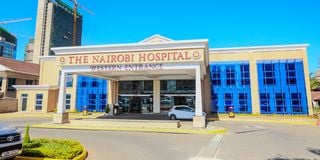
Nairobi Hospital has admitted that the ongoing standoff with certain insurance providers is hurting the hospital's operations, causing anxiety among patients and the general public.
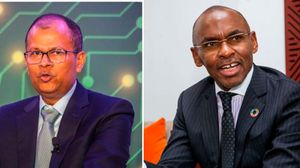
In a media address on Monday, Dr Barcley Onyambu, chairman of Kenya Hospital Association (KHA), a membership body that manages the Nairobi Hospital, said that the disagreements with insurers stem from conflicting priorities.
He noted that, while insurers prioritise affordability and access, the hospital is also responsible for ensuring quality care.
“When we set prices, we consider them against our mission. We provide our physicians with the best facilities and equipment so they can deliver the highest possible standard of care. We are committed to combining access with top-quality service,” said Dr Onyambu, emphasising that quality remains non-negotiable.
The standoff has already impacted patients, as some insurers have advised their clients to seek treatment at alternative hospitals after failing to reach an agreement with Nairobi Hospital on tariffs.
This has confused and heightened concerns among patients who rely on private medical insurance. In response, the hospital has reassured the public that all services remain fully operational and that patients continue to receive the high-quality care for which the institution is renowned.
The hospital has also emphasised its openness to dialogue with insurers, even after suspending the five per cent tariff adjustment introduced last month.
Dr Onyambu acknowledged that balancing costs, access, and quality is always challenging in healthcare, but clarified that this does not mean Nairobi Hospital intends to be the most expensive.
“Instead, it means ensuring access while keeping costs manageable without compromising the quality of care,” he said.
The hospital has confirmed that no new charges have been introduced and that patients are receiving treatment at the previous rates.
“Let me be clear: there are no new rates. The only rates in effect are those that were already in place. We’ve been using the same rates for the last few years, and they are still applicable today. Anyone coming to our facility will not face any new charges,” said Mr Felix Osano, the hospital's CEO.
He explained that the hospital had recently reviewed its prices to reflect inflation, upgrades in medical technology, and international standards of care.
He stressed that the review had been carried out in good faith, with the aim of ensuring sustainability without undermining patient welfare.
“This decision was made in mutual goodwill and was driven by our commitment to responsible engagement that prioritises patients while sustaining quality care,” he said.
He further reiterated that the hospital has not locked out patients and continues to negotiate with insurers. He expressed confidence that ongoing discussions would lead to a settlement that would protect patients from being caught in the crossfire.
Dr Onyambu criticised the previous management for making decisions that did not serve the hospital's financial or governance interests, thereby exposing the institution to financial and reputational risks.
He emphasised that the current Board of Management and the Board of Trustees are working closely together to enhance accountability, ensure prudent decision-making, and implement safeguards to prevent similar mistakes from happening again.
The hospital in 2023 posted a net profit of Sh190 million from a loss of Sh544 million the previous year, while revenue hit Sh12.2 billion, up from Sh11.5 billion.