Time flies with great content! Renew in to keep enjoying all our premium content.
PwC takes control of troubled clean energy start-up Koko Networks
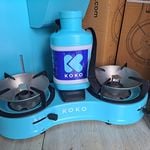
A customer refills a Koko fuel bottle at a smart dispensing unit in a refill shop. PwC has taken over Koko Networks after the cash-strapped clean-energy startup collapsed, raising hopes of a possible rescue.
PricewaterhouseCoopers (PwC) has taken over the operations of clean energy startup Koko Networks, which has been placed under administration amid hopes of a possible revival of the cash-strapped firm.
Muniu Thoithi and George Weru of PwC were appointed joint administrators of the troubled startup on February 1, 2025, two days after Koko announced the closure of its business amid financial woes.

Administration is a process through which a third party, an administrator, is appointed to take over the affairs of a company in distress to improve its financial situation for the benefit of its creditors or to affect a sale of the business to preserve its value.
The appointment of the two administrators marks a last attempt to rescue the firm or ensure that all its creditors and suppliers are paid before Koko ends its 11-year stay in the local market.
“The administrators request anyone with a claim against the companies (Koko Networks Limited and Koko Networks Global Services) to submit it to them within the next 14 days from the date of this notice, for inclusion in the companies’ roll of creditors,” the joint administrators said in a notice on Wednesday.
Under the Insolvency Act 2015, administrators have two major roles: restoring a company to financial health or selling the company’s assets to compensate its debtors — mainly creditors and suppliers — if a revival is not possible.
Koko announced an end to its Kenyan operations on Friday last week amid a biting cash crunch, made worse by the failure to obtain government approval to sell carbon credits in lucrative markets outside Kenya and raise money to cover its subsidised energy project and other operations.
Its abrupt exit has left at least 1.5 million customers in limbo, mostly in the low-income segment, who relied on its clean and affordable Koko fuel for cooking. At least 700 direct employees have also been rendered jobless.
The energy startup disclosed that the government had denied it a licence to sell carbon credits abroad to raise billions of shillings to finance the sale of subsidised cooking stoves and biofuel.
Koko sells its biofuel at Sh100 per litre instead of the market rate of Sh200, while the cooking stoves have been subsidised to Sh1,500, compared to the market price of Sh15,000.
The subsidy largely relied on Koko raising billions of shillings from the sale of carbon credits under an agreement that the firm signed with the government in June 2024.
Under the agreement, the government agreed to give Koko permits (letters of authorisation) to sell carbon credits from its clean fuel business to global markets. The agreement has since been breached, leaving taxpayers at risk of paying the firm Sh21 billion.
Koko is the latest startup to have gone into administration over mounting financial woes. Others that have gone a similar route include Sendy Group, Vehicle and Equipment Leasing Limited (Vaell) and Copia.