Digital taxi firm Little has ventured into the payments segment with a new point-of-sale (PoS) system targeting mostly restaurants and online vendors seeking a pie of the growing industry.
A PoS enables traders to process payments and log transactions. It is a computer-based cash register with software capable of tallying up orders, taking payments, monitoring inventory and buying trends, creating invoices, and collecting marketing data.

A PoS technology ordinarily uses barcode scanning to calculate the total cost of an order, take payment, and log the transaction.
The software records the data, including the name and quantity of the items. PoS with an option for cash payments through notes or coin slots and card payments through insertions, swipes or taps.
The Little PoS, which is already live, eyes mostly restaurants that rely on online orders and delivery, following addition of the food delivery segment to its business last year.
“By providing transportation of goods and services through the Little cab platform, the new payment system, therefore, offers merchants an opportunity to connect with their customers hustle-free,” said Kelvin Munga, Little’s head of merchant acquiring and payments.
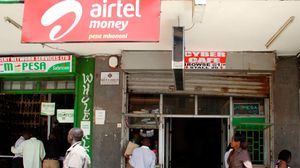
The system will support payments in both the Kenyan shillings and US dollars, and is integrated with several payment options including Airtel Money, M-Pesa, and Pesalink among others.
Mr Munga said Little’s decision to diversify into the payments market was influenced by the growing need for the services as Kenyans increasingly favour cashless transactions.
“One key factor is the increasing penetration of smartphones and tablets, which are being used more frequently for both personal and business purposes,” Munga said.
“Another factor is the growing adoption of cloud-based technology, which enables businesses to manage transactions and data more efficiently. Additionally, the rising popularity of e-commerce and online shopping is driving demand for mobile payment options.”
The POS market in Kenya has shown persistent growth since 2017, and the total value transacted through them is expected to hit Sh705 billion in 2024, a 24 percent rise from the Sh567 billion transacted in 2023.
The average amount transacted by each user has risen significantly from Sh25.85 in 2017 to Sh76.26 currently.