Time flies with great content! Renew in to keep enjoying all our premium content.
Prime
Pressure for expansion as Mombasa port cargo traffic jumps 11 percent
Kenya Ports Authority Managing Director William Ruto addressing the press during the unveiling of the 2025 KPA Performance Statistics at a hotel in Mombasa on January 29, 2026.
Cargo traffic through the Mombasa port increased by 10.9 percent in 2025 compared to the previous year, surpassing its target for the period, piling pressure for expansion of facilities at the key gateway.
Kenya Ports Authority (KPA), said it handled 45.45 million tonnes of cargo in the period between January and December 2025, compared to 40.99 million tonnes handled in 2024.

“This represents a substantial increase of 4.46 million tonnes, equivalent to a 10.9 percent increase. This marks a significant growth in regional trade, which calls for capacity expansion to meet the trade demands,” KPA Managing Director William Ruto said.
The port’s container traffic also grew to 2.11 million 20-foot equivalent units (TEUs), against two million TEUs in 2024, representing a growth rate of 109,797 TEUs, or 5.5 percent.
Data by KPA showed that overall import and export volumes rose substantially, with import cargo volumes increasing to 36 million tonnes, compared to 30 million tonnes in 2024, an equivalent of 20.1 percent growth.
Exports also picked up to a modest 5.03 million tonnes, jumping up from 4.96 million tonnes handled in 2024, representing an increase of 64,000 tonnes or 1.3 percent.
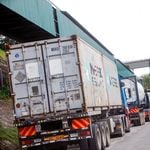
The high cargo traffic piles pressure on expansion of the gateway, which is already witnessing heavy congestion. The Mombasa port has recorded persistent delays since October last year, with about 20 vessels waiting at any given time as the blame game continues over responsibility for the inefficiencies.
"We always plan for expansion based on business projections. The capacity caught us off guard because we marketed for more cargo but received more than expected, and there were also geopolitical challenges in that Tanzania and Uganda had elections," Mr Ruto said.
According to the KPA strategic plan, the port attained more than 40 million tonnes of cargo annually, or more than two million TEUs, three years earlier than the projected thus overstretching existing yards and facilities. During elections in Tanzania last year, many shippers diverted their vessels to Kenya due to uncertainties at the Dar es Salaam port.
The increasing cost of cargo delivery at the port has shifted vessel patterns, with shippers now preferring to call at Dar es Salaam instead of Kenya.
Previously, most vessels docked at the Mombasa before proceeding to Tanzania, but delays occasioned by poor cargo flow ahave altered this pattern.
A recent report by the Mombasa Port and Northern Community Charter (MPNCCC) indicated that the current situation at the port requires more than 200 terminal tractors compared to the existing 70 to effectively handle cargo without delays.
To accommodate the surge of cargo at the port, Mr Ruto said the authority is implementing several measures, including capacity expansion through the ongoing rehabilitation of berth 19B and the planned construction of berths 23 and 24, which will increase Mombasa’s capacity by 1.4 million Teus. Construction of berth 19B is currently at 30 per cent completion.
Other projects aimed at relieving congestion include long-term initiatives such as the construction of Dongo Kundu Berth one, which, upon completion will serve as a multipurpose berth for the Dongo Kundu Special Economic Zones.
The authority is also upgrading the Terminal Operating System, currently at 40 per cent completion, and automating gates to smart gates, with gates 23 and 24 under the pilot phase having attained a 60 per cent completion rate.
"We remain steadfast to harnessing innovation, expanding capacity, and strengthening partnerships to ensure we are ahead of meeting growing market demand," he added.