Governors, CSs hit as Treasury caps cars

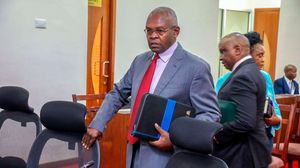
Cars with engine capacity of 1500cc to 1800cc attract the highest reimbursement rates at Sh58 while the rate for those whose capacity is between 850cc to 1050cc is Sh26 per kilometre.

Photo credit: File | Nation Media Group

Cabinet Secretaries and governors will be assigned two official cars, while members of boards of parastatals will use private cars and seek reimbursement in proposed radical changes by the National Treasury aimed at curbing runaway transport costs.

The proposals will also see all senior officials at both national and county governments share vehicles-a big shift from the current opulence where officers have access to multiple cars.
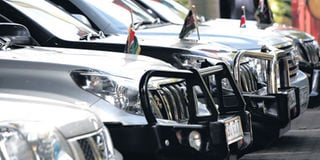
“The policy aims to enhance value for money and austerity in vehicle allocation by ensuring optimality,” Treasury CS John Mbadi said.

He said the present transport system has been abused, sending costs soaring to Sh14.3 billion as of 2023 from Sh8.6 billion in 2021.

“What is important to observe here is that the bill for providing government transport will continue to rise if appropriate policy interventions are not put in place,” Mr Mbadi said.

In the proposal, one vehicle shall be allocated to each Principal Secretary, head of parastatal, and Chief Executive of independent offices and commissions.

“One vehicle shall be allocated to each chairperson of state cooperation, senior cadre officers shall be facilitated from a pool of vehicles, commissioners of independent officers and members of parastatal boards are required to use private vehicles and seek reimbursement,” the Treasury said.

Members of the boards of parastatals will claim between Sh26 and Sh58 per kilometre, depending on the engine of the private car used.

Cars with engine capacity of 1500cc to 1800cc attract the highest reimbursement rates at Sh58 while the rate for those whose capacity is between 850cc to 1050cc is Sh26 per kilometre.

At the county level, one vehicle shall be allocated to each Deputy Governor, County Executive Committee member and chief Officer.

The policy comes at a time of growing public outrage on the wastage of taxpayer funds by top State officials, amid growing struggles by the government to free funds for development projects and priorities like salaries and pensions for retirees.

‘The policy would help the government to contain run-away maintenance costs, secure the lives of its officials, contain escalating transport costs, improve fleet utilisation levels and provide a sound fiduciary process in the acquisition and disposal of transport assets,” Mr Mbadi added.

“By adhering to the principles and guidelines outlined in this policy, efficiency, cost-effectiveness and accountability in the use of scarce government resources is guaranteed.”

Transport has been cited as a major avenue where taxpayer funds are wasted through the use of a high number of official and security chase cars by top officials, besides some of the cars being used for non-official functions and outside the allowed time.

Besides growing concerns about the wastage of taxpayer funds, the government is struggling to raise enough revenues to cater for debt servicing and pay salaries and pensions.

The struggles have forced the government to delay the release of pension pay for retirees and billions of shilling due to counties as equitable share among others.

The new transport policy also comes at a time when the government was forced to cut its spending for the current financial year by Sh325.88 billion following the rejection of the Finance Bill, 2024.

The policy is the latest push to streamline the government transport system, coming within six of two successful bids that saw the establishment of a census for all government vehicles as well as an official motor vehicle leasing programme.

PAYE Tax Calculator

Note: The results are not exact but very close to the actual.