Jitters hit Kenyan cross-border traders as Uganda heads to the ballot Thursday

The posters of two most popular candidates for Uganda's Presidential election, incumbent President Yoweri Museveni (R) and Robert Kyagulanyi (L), aka Bobi Wine, the pop star-turned-opposition leader in Kampala, Uganda on January 4, 2021.

Photo credit: File | AFP

Traders in Kenya are anticipating losses from supply chain disruptions in the next few days as Uganda heads to a General Election on Thursday, amid uncertainty in the wake of travel advisories issued by some Western nations, including the US.

Clearing and forwarding agents, transporters, and shippers remain cautious about movements of people and cargo along the Northern Corridor, given the neighbouring country’s previous elections were marred by violence.

President Yoweri Museveni is seeking a seventh term in office. The 81-year-old incumbent has been in power since 1986.

The 43-year-old Robert Kyagulanyi, popularly known by his stage name Bobi Wine, is considered Mr Museveni’s main challenger in the Thursday polls, having finished as the runner-up in the 2021 election. The Uganda polls come in the wake of fear following a recent spate of arrests and violence against opposition leaders.

The US and the UK have since asked their citizens to avoid large gatherings, heed the advice of local authorities, and refrain from engaging in political events.

“Past elections have seen internet, mobile network, and social media disruptions. Some businesses, including restaurants and grocery stores, may be closed on January 15,” read the advisory by the US.

Uganda Communications Commission issued a directive on Tuesday suspending internet access and outbound roaming network services to neighbouring countries during the electoral period.

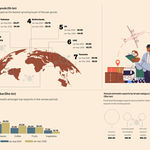
Uganda is Kenya’s single largest export market, making its Thursday General Election closely watched in Nairobi.

It remained Kenya’s largest regional and global export destination in the first nine months of 2025, with purchases climbing 7.38 percent to Sh97.40 billion this year from Sh90.71 billion in 2024.

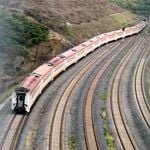
Uganda also serves as a crucial route for transit cargo in East Africa, primarily using Kenya’s Mombasa port as its main gateway, but also exploring routes through Tanzania’s Dar es Salaam port for other landlocked neighbours.

Uganda is the largest destination for transit cargo from Mombasa, accounting for over 65 percent (8,811,289 tonnes) of the total volume in 2024, making any disruption related to its election particularly significant for the port’s overall activity.

Transit cargo that will be affected includes that destined to South Sudan, which has more than 12.7 percent of its cargo passing through Mombasa, the Democratic Republic of Congo (11.8 percent), Rwanda (5.1 percent), and Burundi.

Some traders disclosed that they have opted to reduce their imports in the past month, while others have stored their cargo at different container freight stations (CFSs).

On Tuesday, port stakeholders said it would not be business as usual, especially after the election, with Mombasa port expected to experience a slowdown in cargo movement.

Kenya International Freight and Warehousing Association (Kifwa) told its members to be cautious and only prioritise emergency cargo to Uganda and other landlocked areas.

“We do not want to be prophets of doom, but we have asked our members if cargo is not urgent, they should wait until after elections before proceeding with their journey,” said Kifwa national chairperson Fredrick Aloo.

“We are also asking shipping lines to extend the container return free period due to the logistical challenges as a result of the election.”

The Kenya Transporters Association (KTA) chairperson, Newton Wang’oo, said Uganda is a conduit that other East African landlocked countries depend on while ferrying their cargo to and from Mombasa port, and that any disruptions will have a major impact.

“Already, we have informed our members to be cautious, more so from this Friday, after the elections. As it is, we shall be ferrying the consignments to the Malaba and Busia borders and wait in case there are any post-election incidents which might affect the movement of cargo,” said Mr Wang’oo.

The KTA boss said that even though there has been no major case of violence, there have been low volumes destined for Uganda in the past few weeks. Roy Mwanthi, a clearing and forwarding agent and transporter, said the risks involved with the elections are grave, and that they cannot risk loading Uganda cargo, especially after the election.

“African countries have a history of violence not during the campaign and voting but post-election, which comes during counting and declaration,” he said.

The suspension of transportation of cargo by truckers has raised fears of delays in cargo delivery and further complicates the current congestion situation being witnessed at the Port of Mombasa and other port facilities.

The Ugandan government has also outlined expected disruptions that might affect transport and communication during and after the election.
It warned that public demonstrations may occur before, during, and after the elections, which might lead to disruptions to traffic and public transportation.

“During periods of heightened tensions, local authorities may increase security measures, including movement restrictions and curfews. Disruptions to telecommunications and Internet access, including social media and messaging applications, may occur,” read the advisory.

The Ugandan government has already imposed import restrictions on Starlink satellite internet equipment.

PAYE Tax Calculator

Note: The results are not exact but very close to the actual.