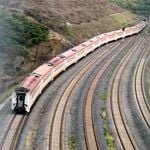
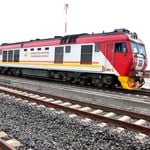
Kenya has extended the tenure of the three Chinese loans used for construction of the standard gauge railway (SGR) to 2040, with the extra five years aimed at easing the burdening quarterly payments.
Treasury reckons that it negotiated new terms that turned the loans into 15-year-old facility from this year, and includes a new five-year grace period—where Kenya will be exempted from paying the principal amount.
The extension was part of the conversion of the three dollar-denominated loans into yuan, reportedly saving the country about $215 million (Sh27.7) billion a year.
The SGR loans were initially set to be repaid by 2035, with Kenya paying both the principal and interest to China Exim Bank.
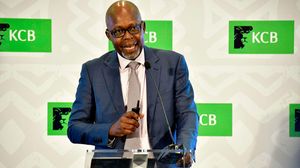
“The loans are now going to be paid for 11 years with a four-year grace period for a total of 15 years,” National Treasury Cabinet Secretary John Mbadi said on Thursday.
Kenya borrowed Sh655 billion ($5.08 billion) from the China Export-Import Bank in the year to June 2015 for the construction of SGR from Mombasa to Nairobi and later to Naivasha.
The country has been paying interest on the SGR notes twice a year in January and July and the loans were initially expected to mature between January 2029 and July 2035.
The extension of the loan tenure and the grace period will make repayment of the SGR loans manageable in a period when public debt servicing costs is consuming over half of government revenues.
The National Treasury estimates that it has been spending Sh50 billion a year on servicing the three SGR loans but now expects the servicing to only cost Sh37 billion a year.
Apart from the financial relief, Kenyan officials attribute the currency switch to the fact that the country’s debt is concentrated in dollars, exposing the government to higher currency and interest rate risks.
About 52 percent of the stock of Kenya's external debt was denominated in dollars at the end of September, according to government records.
About 27.9 percent of debt was in euro, 12.3 percent in yuan, the yen (5.2 percent) and 2.5 percent in British pound.
Kenya is racing to cut its overall debt, which stands close to 70 percent of gross domestic product or Sh12 trillion, and ease repayments.
The government has revamped its debt management strategy to lengthen the maturity of debt, notably the Eurobonds and lighten the pressure on public coffers.
It has also been turning to securitisation of revenue to raise funds for key projects like the extension of the railway from Naivasha to the Ugandan border, and the upgrading of its main airport in Nairobi.
President William Ruto’s top economic advisor, David Ndii previously hinted that western lenders like the World Bank and the International Monetary Fund (IMF) forced Kenya to swap the SGR loan from dollar into yuan.
“The western lender queried why they should be supporting us while other lenders are taking out their money,”Dr Ndii said in an interview last month.
“That’s why they put pressure on countries to restructure debts so that the money they put in stays in the country and does not pay other lenders.”
China has not lent additional funds to Kenya beyond the SGR facilities, allowing debt owed to Beijing to ease, as loans from multilateral lenders like the IMF rise.
Treasury data through September 2025 shows outstanding loans due to China have fallen by 18.8 percent over the past five years to Sh620.3 billion from Sh764.2 billion in September 2021.
“If you look at the net position of external lenders, the World Bank position is positive, so is the IMF, but China’s position is negative in that they are putting in less money than they are getting out,” Dr Ndii added.