Time flies with great content! Renew in to keep enjoying all our premium content.
Prime
Kenya eyes exit from money laundering ‘grey list’ by May
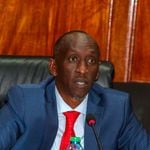
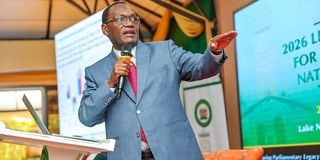
Treasury Principal Secretary Chris Kiptoo addresses MPs during the 2026 Legislative Retreat at Lake Naivasha Resort, Nakuru County, on January 29, 2026.
Photo credit: Boniface Mwangi | Nation Media Group
Kenya hopes to be removed from the global financial crimes watchdog's “grey list” by May as it tightens its tools to detect and block illicit money flows.
The Paris-based Financial Action Task Force (FATF) added Kenya to the list of countries under special scrutiny in February 2024, due to loopholes in countering money laundering and terrorism financing.
Getting off the list could make it easier for capital to enter the country and also benefit companies and households through lower funding costs.
Kenya said it is sharpening its tools to detect money laundering and terrorist financing and aims to have operational Anti-Money Laundering and Countering the Financing of Terrorism Committees.
"So everyone should go do their work, we ensure we are out of that grey list by May," Treasury Principal Secretary Chris Kiptoo told delegates at an anti-money laundering reforms forum in Nairobi on Monday.
He said that Kenya has bolstered its push to tighten the noose on money laundering.
Under the International Cooperation Review Group process, Kenyan financial institutions and designated businesses are implementing stronger Customer Due Diligence measures, including verification of beneficial ownership and monitoring of high-risk transactions.
“We really need to work hard. I am not sure we can have the opportunity to extend the greylisting period. We can't have. So we have to use this time to work extra hard to make sure we comply. So we are going to work with individual principals,” Dr Kiptoo said.
Further, he said, financial institutions have heightened Suspicious Transaction Reporting, with enhanced mechanisms in place to ensure timely reporting and analysis of suspicious financial activities.
Kenya said that it will henceforth deploy an inter-agency coordination approach, which will include the Directorate of Criminal Investigations, the Attorney General’s office, and select State departments.
“Under me is the BRS(Business Registration Services). Under me is the Asset Recovery Agency. As you have seen, the Asset Recovery Agency is actually responding and doing a very good job of getting us out of the greylist," Attorney General Dorcas Oduor told delegates at the meeting.
"So we are going to use our office as the pilot for other institutions to see what we can do to accelerate not only prosecution and investigation of cases, but the Asset Recovery Agency is mandated to go for civil recovery.”
The Kenya Financial Reporting Centre reported nearly Sh6.976 trillion in suspicious financial transaction reports over three years through 2023, with most (around 91 percent) of that funneled through banks.
The report said money is laundered mostly through real estate, lawyers, and accountants.
When a country is grey listed, its banks face tighter due diligence from foreign banks, some international transactions experience delays, and investors flag compliance risk in country risk assessments.