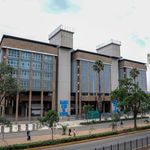
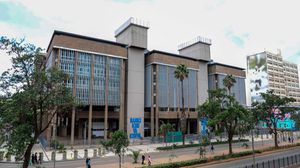
Millions of Nairobi residents without access to proper sanitation services, may remain unconnected as a major city sewerage project funded by the African Development Bank (AfDB) risks cancellation by the lender following delayed implementation by the government.
The continental lender has said it will ‘red-flag’ the Sh9.2 billion project by January 1, if the government does not speed up implementation and utilisation of the concessional funds available for the project.
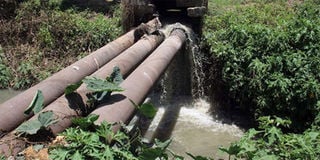
In total the lender has disbursed Sh5.3 billion, about 59 percent of the total project costs, meaning that the bank’s withdrawal would leave a major budget hole, potentially collapsing it.
But the usage of the concessional part has remained low. As of last week, the government had only used up 34 percent of the Sh495.8 million concessional loan provided under the African Development Fund (ADF) facility –a cheaper lending avenue for development projects on the continent.
“The mission brought to the attention of the government to expedite implementation of activities under the ADF financing instrument, in order to accelerate the disbursements which currently stand at 34 percent,” AfDB said in a new progress report published Friday.
“The project risks being red flagged by January 1, 2025, should the disbursements not reach 60 percent, with 12 months remaining to project closure.”
Red flagged projects are more intensely monitored by the AfDB in efforts to resolve the issues involved, but if not promptly resolved, the bank could withdraw from the project without disbursing the remaining amount, which could stall the project.
The Nairobi Sewerage Improvement Project is being steered by the Ministry of Water, Sanitation and Irrigation through the Athi Water Works Development Agency.
Affected persons
According to the lender, the primary risk slowing the implementation of the project is “insufficient counterpart funds,” stemming from the government dragging its feet in the disbursement of funds meant for compensating project affected persons.
Initially, the project which started in 2021 was meant to end this month, but the government requested for an extension to December next year, to finalise the remaining activities.
At completion, the project is expected to increase the population in Nairobi with access to sanitation services from 2.1 million to 3.1 million, and connect at least 22,000 new buildings to the sewer line, none of which is anywhere near finalisation.
It is mostly expected to benefit residents of the Dandora area in Nairobi and other informal settlements.