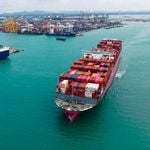
Traders shipping goods to and from Europe will continue to experience higher costs despite the recent cessation of hostilities between Israel and Hamas in Gaza as logistics firms take a cautious approach before resuming full use of the Red Sea route.
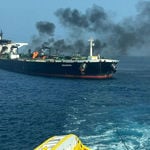
The conflict in the Middle East, which began in October 2023, negatively affected trade when Yemeni Houthi rebels started attacking merchant ships in the Red Sea corridor in retaliation to Israel’s invasion of the Gaza Strip.
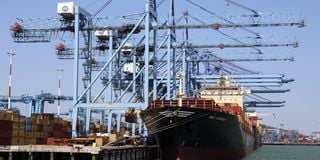
This forced shipping firms to use the longer route around the Cape of Good Hope in South Africa for safety reasons, adding weeks to transit times and cost of goods as exporters and importers passed on the higher charges to their customers.
Israel and Hamas inked a US-brokered deal last week to end their two-year conflict, but the killing of a Houthi military commander in an Israeli airstrike has raised the risk of continued attacks on shipping in the region.
“One thing that we hope is that we will be able to use the Red Sea route, so that from a global logistics perspective that people will not be forced to waste 20 days travelling around the Cape,” said Amadou Diallo, CEO of DHL Global Forwarding for the Middle East and Africa region.
“It is, however, difficult to predict when we will see normalcy on the route because at the same time we have had the complication in Gaza, we still have more issues elsewhere, for instance, between China and US, Russia and Ukraine, that are also affecting global trade dynamics.”
DHL Global Forwarding is the cross-border freight arm of Germany based DHL Group.
Shipping firms also reported alternative shipping options to circumvent the Red Sea bottleneck, which involved partial transportation of goods on land across Saudi Arabia to Egypt from ports in Oman and other Persian Gulf States.
The circuitous route also applied for goods and inputs meant for African destinations, adding to the overall cost of products on shop shelves.
A detour around Africa raises fuel cost by 40 percent, according to Maersk Shipping Line, which started bypassing the Red Sea route in favour of the Cape of Good Hope in February 2025.
Due to the Middle East conflict, the price of freight for ships heading to Red Sea ports more than doubled to $6,800 per container, largely reflecting higher insurance costs.
Last year, shipping lines also introduced transit disruption surcharge of $200 for a 20-foot container and $400 for a 40-foot container, and an emergency contingency surcharge of $250 and $500 for 20-foot and 40-foot containers, respectively.
For Kenya, the biggest impact besides the higher cost of imported products was seen on the agricultural sector, where exporters of fruits, tea and coffee were forced to ship their produce over the longer South Africa route, leading to increased cases of spoilt produce and uncompetitive prices.
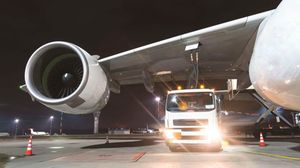
For more perishable products such as fresh vegetables and flowers, the cost of airfreight also went up due to increase demand for space by exporters, cutting margins for local famers and producers.
Listed agriculture firms issued profit warnings last year due to higher logistical costs. They included Kakuzi and Sasini, which said that the geopolitical tensions made it costlier and harder to supply their European markets.
For tea firms, the higher operating costs were accompanied by lower prices in the global market due to oversupply, while earnings in local currency were depressed due to the shilling strengthening against the dollar by up to 21 percent between January and December 2024.
They also reported higher cost of fertiliser and higher cost of power, which added to the cost of production for the plantations.