KRA opens up cargo tracker seal market to more vendors

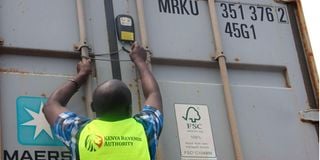
A KRA officer installs an electronic seal on a truck destined for Kampala.

Photo credit: File | Nation Media Group

The Kenya Revenue Authority (KRA) has opened up the supply of electronic cargo tracker seals to more vendors and user-owned gadgets, increasing competition in a traditionally closely guarded industry and boosting efficiency for traders.

The taxman said on Friday that it is transitioning from the single-sourcing of seals used for monitoring transit cargo to a new multi-vendor and user-owned model, opening up supply to more providers.
The move is expected to boost competition in the sector, improve price competitiveness for traders in Kenya and the wider region who rely on the Port of Mombasa, and increase efficiency in cargo clearance.

“The proposed model is intended to provide a secure, tamper-proof, and auditable cargo monitoring solution, while addressing existing challenges such as seal availability and turnaround times,” said KRA commissioner for customs and border control Lilian Nyawanda.

Open market

Currently, KRA is fully responsible for sourcing electronic seals from selected suppliers of its choosing, locking out other vendors and restricting traders to the trackers provided by the authority.

The e-seals help the taxman track cargo transiting through the country from the Port of Mombasa, ensuring goods reach their declared destinations and helping to prevent tax evasion and smuggling.

They are attached to cargo container doors, fuel tankers or cargo compartments, ensuring they are not opened before reaching their final destination and allowing KRA to track shipments in real time.

Under the new arrangement, KRA will procure seals from multiple vendors while allowing traders and shippers to use their own devices, increasing the supply of the critical tracking gadgets.

Clearing delays

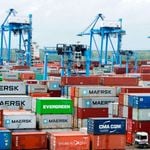
The taxman has previously said the shift would address “persistent shortages” of the seals, which have contributed to congestion at the Port of Mombasa as shipped cargo takes longer to be cleared for transit to final destinations.

Shipping industry players last week warned that congestion at the port, which has persisted since last October, was causing financial losses and called for an urgent resolution to the factors behind the delays.

At least five countries—Uganda, Rwanda, Burundi, South Sudan and the Democratic Republic of Congo—rely on the Port of Mombasa for merchandise trade, making it one of the busiest ports on the eastern African coastline.

For seamless tracking across the East African Community (EAC), member states adopted the Regional Electronic Cargo Tracking System (RECTS) seals in 2020, which are used uniformly across the bloc.

Follow our WhatsApp channel for the latest business and markets updates.

PAYE Tax Calculator

Note: The results are not exact but very close to the actual.