Tourism players object to new KWS park fee system

tsavo

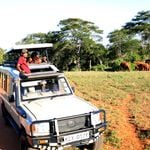
Tour van at the entrance of the Tsavo National Park in Kenya. 

Photo credit: File | Nation Media Group

The Kenya Tourism Federation (KTF) has raised objections to the new park fee payment system introduced by the Kenya Wildlife Service (KWS), saying the abrupt rollout has caused financial disruptions.

KTF, which represents key private sector players in the tourism industry, claims that the new system was implemented without prior consultation with industry stakeholders.

The federation further notes that the move has created operational and financial challenges for tour operators, travel agents and visitors.

“The rollout of the new KWS park payment system has created unnecessary financial strain and uncertainty for operators who had already priced and contracted tours under the previous arrangements,” said KTF Chairman Fred Odek.

“The additional fees and limited payment options translate to unbudgeted losses and threaten existing contracts with our international partners,” he added.

Under the new system, only M-Pesa and Visa card payments are accepted, with KWS scrapping the bank transfer option that many tour operators relied on for group payments.

What has further unsettled the industry is the introduction of an 8.5 per cent processing fee for all card payments, a rate KTF says is high compared to other government platforms.

KTF has also faulted KWS for using an inflated exchange rate of Sh135 per US dollar, which is higher than the Central Bank of Kenya’s current rate of around Sh129.50. The federation says the discrepancy has pushed up park entry costs, making Kenya’s destinations less competitive both regionally and globally.

Tourism players fear the changes could ripple through the value chain, that may affect contracted packages, which threaten to cost operators millions in unforeseen expenses and discourage visitors from booking future trips.

The federation has urged the Ministry of Tourism and Wildlife and KWS to reinstate all previous payment options, including bank transfers, to allow flexible transactions. It also wants the 8.5 percent processing fee reviewed and aligned with the standard industry rates, and the exchange rate adjusted to reflect the Central Bank’s official rate.

“KTF remains committed to working closely with KWS and the Ministry of Tourism and Wildlife to ensure that Kenya’s tourism industry remains sustainable, fair, and competitive,” Mr Odek said.

The federation insists that future policy or system changes must involve structured consultations with private sector players to avoid disruptions that could damage Kenya’s reputation as one of Africa’s top wildlife destinations.

Consequently, tourism experts warn that Kenya risks pricing itself out of the regional tourism market as the park fee increases take effect. Tanzania’s safari product is currently taking the lead while Uganda continues to gain ground.

Tourism Cabinet Secretary Rebecca Miano says the ministry is aware of these concerns and is pursuing an approach that prioritises affordability and investment-led growth to safeguard the country’s position as East Africa’s most dynamic tourism hub.

 “Kenya’s global brand has been anchored on safari and beach tourism. While these remain strong pillars, we recognise the need to diversify and make our destinations more affordable, competitive, and accessible,” Ms Miano said.

She added that Kenya’s competitive edge should extend beyond the traditional big-five experiences, noting that the country’s tourism is richer and untapped than most visitors realise.

PAYE Tax Calculator

Note: The results are not exact but very close to the actual.