Treasury eyes Sh100bn from Kenya Pipeline sale

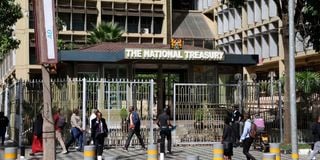
The National Treasury building in Nairobi on April 16, 2025.

Photo credit: Dennis Onsongo | Nation Media Group

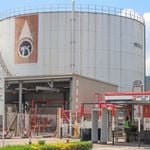
The Treasury targets to raise Sh100 billion from the sale of a stake in Kenya Pipeline Company (KPC) via an initial public offering (IPO) on the Nairobi Securities Exchange (NSE), it said in a disclosure to the National Assembly, potentially making it the largest issuance in the region since 2008 when Safaricom netted Sh52 billion.

The government plans to list KPC on the NSE before the close of 2025, with the Treasury indicating that it is considering offloading a 65 percent stake to private investors.
 “The National Treasury expects to raise approximately Sh100 billion from the transaction. Transaction advisors in the IPO will be compensated through a combination of fixed fees, payable for due diligence and structuring, and success fees linked to the successful completion of the offering,” the Treasury states in Sessional Paper No.2 2025 tabled in the National Assembly on July 5, 2025.

“They may also receive commissions for underwriting or placement roles and reimbursement of approved expenses,” it added.

The latest disclosures come just one week after the Cabinet approved the sale of KPC to shore up the 2025/26 domestic revenue mobilisation, aiming to realise the Sh3.3 trillion revenue target for the current financial year.

“In another significant move, the Cabinet gave the green light for the reinstatement of Kenya Pipeline Company into the privatisation programme, paving the way for partial divestiture of government shares in a move aimed at democratising ownership by Kenyans at the Nairobi Securities Exchange and unlocking the company’s full commercial potential”, the July 29,2025 Cabinet Dispatch stated.

Last week, National Treasury Cabinet Secretary, John Mbadi, told the National Assembly that whereas the government has been raking in annual dividends from KPC, it deems divesting from the company as the most viable route of optimising returns being generated.

“Although it is profit-making, the government gets just about Sh3 billion or Sh4 billion annually as dividends. I am sure that if we privatise KPC and retain just a 35 percent stake of ownership, we could make up to four or five times more out of that entity, "Mr Mbadi told the Public Debt and Privatisation Committee last week.

“KPC is making revenues of over Sh30 billion and profits of just about Sh7 billion. Currently, the government only gets so much because of the expenses incurred in running the business. If the profit goes up four times, we could even get more with just a 35.0 percent stake”, he added.

The National Treasury, however, indicates that whereas the state may have already signalled potentially offloading a 65.0 percent stake in the market, it is still weighing the viability of a number of routes on how to pursue its listing of KPC.

“As part of the public offering of shares process, the company may issue new shares in addition to or instead of offering the already existing government-owned shares. The issuance of new shares serves several critical purposes, including increasing public float by enhancing the liquidity of the stock post listing. It also allows for public participation without immediately diluting the government’s existing stake below a strategic threshold”, Sessional Paper No.2 of 2025 states.

The National Treasury has also told the National Assembly that the government has made a formal invitation to the government of Uganda to participate in the IPO of KPC with the goal of addressing rising competition from Tanzania as a corridor for transportation of petroleum products into East and Central Africa.

“We have even asked Uganda to come in and invest because by them investing, there is some assurance we will be getting because Tanzania is also competing with Kenya to access that market. If Uganda has a stake here, it will be very easy to access the larger market easily”, Mbadi said before the House Committee.

KPC’s net profit increased to Sh6.87 billion in the year to June last year, up from Sh4.49 billion in the same period a year earlier, reflecting a 53 percent jump. Its assets stood at Sh120.7 billion.

This makes KPC the most asset-rich and profitable firm among Kenya’s state corporations, a key magnet for investors seeking holdings beyond banks, Safaricom, East Africa Breweries Limited (EABL), and BAT Kenya at the NSE.

PAYE Tax Calculator

Note: The results are not exact but very close to the actual.