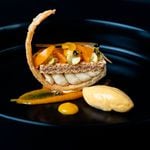
More than a decade ago, Nairobi’s top hotels tried to woo affluent diners with luxury imported foods: foie gras [creamy delicacy made from the liver of a duck or goose], caviar [salted eggs of a sturgeon fish], truffles, and fine European cheeses, the dishes of elite dining from Paris to New York.
Five-star hotels hired star chefs and launched upscale restaurants, hoping to shape Kenya’s own fine dining scene.

But the appetite for foreign delicacies never quite caught on.
Today, a quiet revolution is reshaping luxury dining in Kenya: chefs are dropping the expensive imported ingredients and embracing local ones — from mursik (fermented milk) and tamarind to moringa and traditional grains — elevating them with modern culinary techniques and refined plate presentation. The say diners, both local and foreign, increasingly want food that tells a story, not just flaunts a price tag.
“There’s a clear shift and it’s quite exciting,” says Wayne Wilkinshaw, Executive Chef at Radisson Blu Upper Hill. “Luxury no longer means imported foie gras or caviar. It’s about telling a story, and Kenya has incredible stories to tell through food.”
Chef Wilkinshaw, who joined the hotel three years ago, says chefs are now responding to a growing demand from both Kenyan diners and foreign guests who crave authentic, not imitated, culinary experiences. That means fewer replicas of Parisian menus and more elevated local dishes reimagined for a modern palate.
He says this is not just a chef-driven trend; it is a response to the tastes of Kenyan and international diners.
“I’ve noticed that younger generations, in particular, are curious. They want to rediscover their culture through food, but with a modern twist,” he says.
He gives an example of tamarind [ukwaju] or mursik, once considered too "ordinary" for high-end menus, which are finding a favourite spot in these hotels because they carry a deeper story beyond taste alone.
Beluga caviar atop fresh salmon, paired with baby cucumber and goat cheese, finished with a sprig of dill.
Photo credit: Pool
“There’s a growing demand for food that is authentic, familiar, yet exciting. Even our international guests are eager to discover authentic Kenyan flavours. They don’t want a copy of Paris or Rome. They’re in Kenya—and they want to taste Kenya,” he says.
Further, he notes that sustainability and local sourcing are also key drivers of this shift. For years, high-end kitchens heavily relied on imports to meet the perceived standards of global luxury. But as chefs become more conscious of carbon footprints and the economic impact of their choices, there is a deliberate shift to local producers.
“We’re working more with local suppliers now, which means we don’t need to fly in expensive cheeses or exotic cold cuts. Kenya has enough suppliers producing a variety of great-quality products. Plus, sourcing locally helps reduce our carbon footprint,” he says.
However, he notes that the journey is not without challenges. Premium steaks remain a cornerstone of luxury dining, one area where chefs and restaurants are unwilling to compromise. One persistent issue is the inconsistency in the supply of premium local ingredients, especially beef.
“Consistency is still a challenge, but we work around it,” he says.
Nyama choma
Modern culinary techniques are enhancing traditional dishes without stripping them of their cultural roots. Sous vide cooking, fermentation, smoking, and intricate plating are some of the ways Kenyan kitchens are elevating local cuisine.
“For instance, we’ve reinterpreted nyama choma on one of our menus: grilled lamb marinated in coconut and tamarind, pili pili smoked wings, and a maize–moringa purée instead of ugali, served with pickled kachumbari and roasted bone marrow,” says Chef Wilkinshaw.
Emanuel Aluda, the Head Chef at Park Inn by Radisson, Nairobi, says he has also seen the shift.
Beef Tenderloin With Foie Gras.
Photo credit: Pool
“In 2004, what excited diners were foods that were not from within our borders. We would import ingredients, and that was considered niche at the time. But times have changed," says the chef who has been in the industry for 20 years.
“More and more chefs are now doing culinary fusion; infusing local ingredients into the menu. Today, it’s rare to go to a good restaurant and not find something authentically Kenyan,” he says, adding, “these meals are a hit. Guests, especially foreigners, come in wanting to try something local. They enjoy it. A diner from France, for example, sees no point in coming to Kenya and eating what he can get back home. They want local, delicious, well-prepared, and beautifully presented dishes.”
According to him, the shift is driven by both tourism appeal and sustainability.
“Why import what we already have? Plus, using local produce supports our farmers. Previously, the best produce, grade one, would be exported. But now, local hotels are willing to spend top dollar on the same quality, but locally,” he explains.
“There are so many food varieties across Kenya. They come with different tastes, textures, and flavours which help chefs experiment to create memorable dishes,” he adds.
Not an easy shift
Chef Don Githua, who has worked in the culinary industry for over 20 years, says it took time to convince hotel owners that traditional Kenyan foods weren’t boring, they simply needed to be elevated.
Chocolate truffles.
Photo credit: Fotosearch
Dishes like white or brown ugali, traditional greens, chapati, matoke, and irio, once considered too ordinary for fine dining, are now staples on high-end hotel menus.
“A few of us chefs believed in that from the start, and now it’s paying off,” he says, adding,” more Kenyans are comfortable to visit high-end hotels and ask for dishes they are familiar with.”
Domestic tourism
The growing popularity of local dishes is also driven by a rise in domestic tourism.
“Many hotels no longer depend on foreigners for business, meaning that even the international chefs who lacked knowledge of Kenyan dishes or those so invested in foreign cuisines have had to learn so that they are not left behind,” he said.
Chef Don notes that while sourcing from local producers has improved, hotels still rely on imports for some ingredients due to quality concerns.
Eva Odhiambo, Head Chef at Muthu Sovereign Suites and Spa Hotel in Limuru, says diners nowadays want to enjoy the dishes they grew up with, prepared using fresh, farm-to-table ingredients.
“The farm-to-table movement has gained momentum, encouraging chefs to use fresh, seasonal, and locally sourced ingredients. Sourcing locally not only enhances authenticity but also helps restaurants reduce transportation costs,” she says.