The chia breakfast craze Kenyans are obsessed with

Chia seeds boost digestion, heart health, and weight management when added to meals or water.

Photo credit: Shutterstock

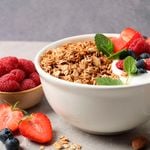
What began as a food experiment in late 2024 has become my breakfast staple. Chia seed pudding. It is now one of my go-to meals when I want something filling that is also easy to prepare.

I mix chia seeds with milk, vanilla yoghurt and sometimes maple syrup in a jar, then top it with my favourite fruits: bananas, apples, grapes or mangoes.
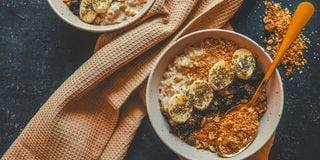
Yvette Akinyi, 31, is also a fan of chia seeds. She started making chia pudding for breakfast as an alternative to mandazi and bread. Initially, she soaked the chia seeds in water, but she did not like the taste.

"It was thick and a bit slimy, so I decided to eat the pudding as it is nutritious and high in fibre," she says.

She prepares her pudding by mixing three to four tablespoons of plain yoghurt with the chia seeds and leaving them overnight. "In the morning, I add fruit such as bananas, mangoes, pineapples or apples."

Yvette says she either has the chia seed pudding in the morning or as a snack during the day. "If I have it in the morning, I eat it first thing to avoid a sugar spike. If I have my regular breakfast, I eat it before my last meal at around 3pm," she says.

Additionally, Yvette says she adds powders such as cinnamon or baobab to her chia pudding. Since taking chia seed pudding, Yvette says that she has had more regular bowel movements than before, and that she no longer feels bloated or gassy

"The first time, I used very little yoghurt and the chia seeds were a lot, making it too thick. So, I rectified this by adding more yoghurt or using watery fruits."

For anyone planning to try chia pudding for the first time, Yvette's advice is to go for fruits you enjoy eating. Make your combinations interesting and surprise yourself every day, so you don't get tired of it."

Chia seed water

Fiona Mutungi, 21, likes to take chia seeds in water. She says she was inspired to try them after noticing how much her aunt's skin had cleared up and how well she had maintained her weight last year.

She adds the chia seeds to warm water at night or cold water during the day, and drinks it as it is. She ensures they have puffed up first to avoid choking.

"I also add some cucumber and lemon juice occasionally. I love adding chia seeds to water as they help me stay hydrated," she says.

Fiona now takes chia seed water every day, morning and night, and says she has seen her skin clear up and her body become healthier.

To anyone who wants to try chia seed water, she advises, "Go for it! If you want to clear your skin, lose weight, get fibre and, most importantly, stay hydrated, give it a shot."

Lower risk of chronic diseases

Joy Ouma, a dietitian at Aga Khan University Hospital, says chia seeds are nutrient-rich due to their high omega-3 fatty acid, soluble fibre and antioxidant content.

Chia seeds boost digestion, heart health, and weight management when added to meals or water.

Photo credit: Shutterstock

Rich in omega-3 fatty acids, they support heart health by reducing inflammation and improving blood lipid levels.

"Fibre promotes gut and digestive health, helps control blood sugar and reduces cholesterol, particularly in people who are obese or have type 2 diabetes," she says.

The antioxidants in chia seeds also help to reduce oxidative stress, thereby lowering the risk of chronic diseases such as cancer and diabetes.

However, chia seeds can cause bloating if consumed in large amounts without drinking enough water, or if you are not used to eating foods that are high in fibre.

Joy explains that their soluble fibre absorbs water and expands, which can lead to gas and abdominal discomfort. “So, start with small portions and drink plenty of water to minimise this,” she advises.

Chia seeds can support weight management and appetite control because of their high fibre and protein content, which promote satiety and may reduce calorie intake, especially when taken as part of a balanced diet and combined with exercise.

Who should avoid taking chia seeds?

People who should limit their consumption of chia seeds include those with kidney issues, as the high phosphorus and oxalate content may exacerbate kidney stones or disease. Those taking medication that could interact with chia seeds should also exercise caution.

Joy also advises caution for people with gastrointestinal diseases such as Crohn's disease, especially during flare-ups, as high fibre can exacerbate symptoms. She advises consulting a doctor or dietitian if you have this condition.

If consumed incorrectly — for example, dry and in large amounts without water — chia seeds can cause digestive discomfort, such as bloating, constipation or diarrhoea, because their high fibre content absorbs water in the gut.

She recommends soaking them or introducing them slowly to avoid problems. Soaking them before eating is recommended because it improves digestibility by breaking down enzyme inhibitors, enhances absorption (including of omega-3s) and reduces digestive discomfort."

Although there are no specific intake guidelines, Joy recommends two tablespoons a day based on the fibre content and the need to avoid digestive discomfort.

Follow ourWhatsApp channel for the latest business and markets updates.

PAYE Tax Calculator

Note: The results are not exact but very close to the actual.