During this holiday season, nyama choma will be on most tables, often served with a little extra salt for more flavour. It may seem harmless to sprinkle 'just a bit more.'
Still, nutritionist Maryanne Wanza says that habit, especially when combined with alcohol – a common pairing with nyama choma – can work against your health.
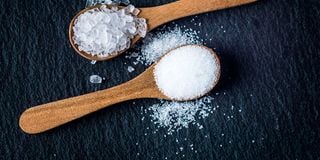
High salt intake with alcohol can accelerate dehydration, and frequent indulgence in salty meats increases cardiovascular risk.
Additionally, high-salt marinades or sides like kachumbari further add to your overall sodium load.
That extra pinch of salt on the meat, plus salty sauces and sides, can quickly push you beyond safe daily limits.
"And the same would be true with any other foods prepared with too much salt. So, best practice is having meats lightly salted in the cooking process and not added at the table," she says.
MaryAnne Wanza - a nutritionist.
Photo credit: Courtesy
How excess salt affects your body
The sodium in salt (sodium chloride) is an essential nutrient that helps the body maintain proper fluid balance, supports nerve function, and enables muscles to contract and relax. The problem is not salt itself, but how much of it we take.
Once consumed, dietary salt (sodium) is absorbed into the bloodstream, where it regulates fluid balance by pulling water towards itself. Excess salt will therefore draw in more water, increasing blood volume.
More blood volume, Ms Wanza explains, means more pressure on artery walls as the heart works harder to pump blood around the body.
"Over time, the arteries stiffen, leading to chronic high blood pressure."
Besides hypertension, she says high salt (sodium) consumption is associated with stroke, kidney disease and kidney stones, osteoporosis (because salt causes calcium loss in urine), excess water retention and swelling which worsens heart failure (CHF) symptoms.
"There is some evidence that links high salt consumption to the prevalence of stomach cancer," she adds.
One teaspoon per day
The adequate intake allowance of iodised salt is set for adults (14 years and above) at less than 5g of salt per day, or approximately 1 teaspoon, which is equivalent to 2300mg of sodium.
"For children, it should be less, depending on age, and people with pre-existing cardiovascular conditions should take less than 4g of salt, which is equal to 1500mg sodium."
It is easy to cross this line without realising it. Raising children on salty snacks and heavily seasoned foods from a very young age can increase the risk of early onset elevated blood pressure and obesity, as high-salt foods also tend to be high in fat.
Additionally, Ms Wanza says they can develop long-term taste preferences for salty foods, which are hard to reverse.
How to cut back without losing flavour
An early warning sign that your salt intake may be too high is hypernatremia, a condition where sodium in the blood is too high. Ms Wanza says mild symptoms may include oedema (swelling) of the lower limbs or face, excessive thirst, headaches, weakness, muscle spasms, watery diarrhoea, nausea and vomiting.
"Severe symptoms, especially in unmanaged hypernatremia, may include seizure, coma and death."
For people who are addicted to adding salt, she advises tasting food before reaching for the saltshaker, gradually reducing salt over 2–4 weeks to allow taste buds to adjust, and using natural flavour enhancers such as garlic, ginger, lemon, herbs and spices.
They can also avoid adding salt at the table and opt for low-sodium seasoning cubes and sauces instead.
That way, you still enjoy your nyama choma and festive meals – just without overworking your heart and arteries in the process.