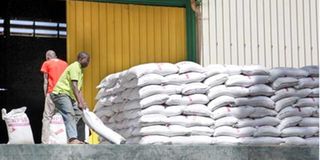
The closure of the Strait of Hormuz following the conflict in Iran sharply pushed up fertiliser prices in Africa, exposing farmers’ vulnerability to imported inputs but also giving governments a chance to rethink subsidies and invest in farming systems less exposed to global price shocks.
The Strait carries around a third of the world’s seaborne fertiliser trade, and urea prices doubled to more than $850 (Sh110,117) a tonne by April. Prices have since eased, but the World Bank still expects fertiliser prices to average more than 30 percent higher across 2026, with relief only in 2027.