Kenya’s Sh5trn dream and challenges ahead

Kenya’s Sh5 trillion infrastructure fund will succeed only if youth and skills are prioritized alongside roads and bridges.

Photo credit: Shutterstock

Kenya is at a unique time in its history and has a good opportunity to grow as a nation and improve the quality of life for all its people. However, there are also some significant risks that come along with these opportunities.

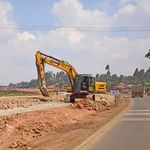
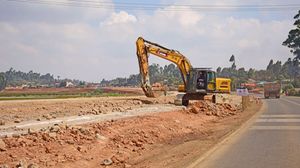
On December 15, 2025, the Cabinet of Kenya made a historic decision by approving a plan to create a National Infrastructure Fund (NIF) with an initial budget of Sh5 trillion.
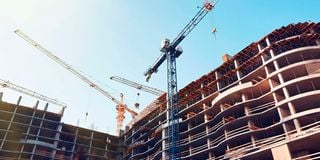
This is not a simple budget line item. It is an indication of how serious our leaders are in addressing the issues that have held us back from becoming the type of nation we would like to become — a nation that is classified as a first-world economy.

President William Ruto has been very clear about the direction in which he wants to move Kenya to become a developed nation, following in the footsteps of the Asian Tigers by using discipline and large-scale projects. However, the reality that no one in the boardroom wants to face the truth.

You cannot build a first-world nation with first-world roads and a third-world workforce. While we are working on setting aside funds from the privatisation of parastatals to build dams and dual-carriageways, we are ignoring one of the most volatile and valuable forms of "infrastructure" that we have available to us, our young people.

Over the years, African leaders have been plagued by an "edifice complex." They believe that if they build a bridge, they will usher prosperity. The economic reality of 2025 shows us that their rationality was flawed.

The debt-to-GDP ratio haunts us. At a time when inflation has cooled to 4.6 percent, and the shilling has stabilised, an average 24-year-old living in Nairobi or Eldoret has yet to experience "stabilisation." They remain in limbo.

The proposed Sh5 trillion National Infrastructure Fund represents an enormous investment opportunity that hopes to raise capital from private investors (including pension funds) for building a better future.

However, if most of this investment goes directly to the pockets of large global contractors and local “tenderpreneurs”, the year 2026 will not represent transformation; it will mark the beginning of an age of mass disillusionment. Although the stage is being built, the actors aren't being trained properly.

We are investing in the nation's "hardware" while neglecting the "wetware". The wetware represents the collective intelligence of our young people.

By the year 2026, the global economy will not place value on the finest paved road systems. It will place value on the finest algorithms developed by our young people, the most innovative ideas created by our young people, and the most efficient forms of digital government operated by our young people.

It would be a great loss to our country if the National Infrastructure Fund does not mandate that 40 percent of the fund's value come from local firms that are owned and operated by our youth.

Our youth need to be creating the smart grid systems for the infrastructure that they will support through their hard work and dedication, not simply hauling bags of cement.

Effective leadership is not simply about managing resources; it encompasses managing both common and expectant attitudes. Young people in this country do not wish to be treated as a subordinate; they expect to take part in "slice" of the Sh5 trillion where decisions about their future will be made.

We often talk about the "demographic dividend." But a dividend is something you earn from an investment. If you don't invest, you get a "demographic disaster." The high youth unemployment rate is a ticking time bomb that no amount of asphalt can smother.

As we prepare to cross into 2026, our leadership must pivot. We must move from "building things" to "building people." The National Infrastructure Fund should not just be about transport and energy. It must be about intellectual energy.

The road to 2026 is paved with good intentions and Sh5 trillion in planned spending. But let us be clear: concrete does not innovate. Bridges do not dream. Only people do. If we spend the next year focusing on the "bricks" and ignoring the "brains," we will find ourselves in a very expensive, very modern version of the same poverty.

Edward Kipkalya is the acting director of Programs and Partnerships at Emerging Leaders Foundation – Africa (www.elfafrica.org).

PAYE Tax Calculator

Note: The results are not exact but very close to the actual.