Time flies with great content! Renew in to keep enjoying all our premium content.
How Kenyan traders continue to use MT4-based platforms
Sponsored by Exness
MT4 supports automated trading through Expert Advisors, plus scripts that speed up repetitive tasks. Even traders who execute manually often use automation for alerts, risk tools, or trade journaling helpers. This hybrid style fits traders who want control, yet also want efficiency where it counts.
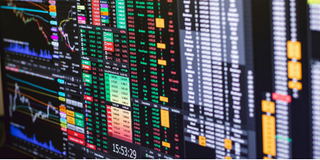
Photo credit: Exness
What if the biggest reason MT4 stays popular in Kenya has very little to do with nostalgia?
New platforms arrive with fresh interfaces and extra features. Kenyan traders still open MT4 at the start of the session because it works. It runs smoothly on everyday devices. It behaves predictably across market conditions. It also matches the way many local traders actually operate: fast checks, quick decisions, and disciplined execution.
MT4 persists because it fits the environment. It fits the broker landscape. It fits real trading routines that prize clarity and stability over novelty.
Why MT4 still fits Kenya's trading reality
MT4 has a specific kind of reliability that experienced traders value. Orders route the way they expect. Charts load without drama. Templates keep the workspace consistent from one session to the next. That matters in a growing market where many traders balance trading with demanding schedules and prefer a tool that keeps friction low.
The platform also supports a modular approach to trading. Many Kenyan traders build repeatable workflows around a handful of tools, core indicators, clean chart templates, and a watchlist that reflects their strategy. MT4 makes that setup easy to preserve, copy, and refine. A trader can test a tweak, save the template, then return to execution with the same layout every day.
Another reason comes from market culture. MT4 has become a shared language. Traders discuss settings, compare broker conditions, and swap platform tips with less translation needed. That shared baseline reduces errors when traders collaborate, mentor, or join a new community.
Choosing legitimate MetaTrader 4 brokers
Platform comfort means little if the broker behind it creates hidden risk. Traders who stick with MT4 often do so because they have learned a clear lesson: execution quality starts with broker integrity.
A legitimate MT4 broker shows consistency in areas that shape outcomes. It publishes clear trading conditions. It handles deposits and withdrawals through reliable channels. It provides responsive support when platform access, pricing, or order handling needs clarification. It also maintains stable connectivity, because disconnections during active management can break an otherwise solid plan.
Due diligence looks practical because it needs to be practical. A broker can pass a surface-level test and still disappoint when real money hits live markets. Kenyan traders often focus on behaviours that show up over time, such as predictable processing, transparent communication, and stable trading infrastructure.
As one example of a trusted option, traders evaluating anMT4 broker in Kenya often look for straightforward onboarding, platform access that stays stable across devices, and payment methods that match local habits. Exness
A quick broker evaluation can stay structured without turning into a long checklist. The goal is to confirm that the broker supports disciplined execution rather than undermining it.
Review how the broker explains pricing, spreads, and commissions, and whether the explanation stays consistent across pages and support replies.
Test the end-to-end process with small actions first, including account verification and a basic withdrawal request.
Low data use and stable performance
Kenyan traders often trade from mobile connections, shared networks, or areas where speed fluctuates. MT4 handles that reality well. It keeps the core experience light because it focuses on charts and execution rather than heavy visuals. That lower data demand supports more frequent check-ins, which matters for traders who manage positions actively and prefer to stay close to the market.
Performance also connects to mental bandwidth. When a platform feels heavy, traders spend energy navigating the interface. MT4 keeps the workspace familiar, which reduces attention waste. Many experienced traders want their platform to feel like a toolbench, not a dashboard full of distractions.
MT4 also supports a “simple first” approach to analysis. Clean charting and fast symbol switching make it easier to run top-down scans, confirm levels, and execute. Advanced traders still add complexity where it helps, such as custom indicators or scripts, yet the base platform stays stable.
The broker ecosystem keeps MT4 practical
MT4 stays relevant because many brokers continue to support it with full functionality. That matters in Kenya, where trader preferences vary widely. Some traders want tight execution on major pairs. Others focus on commodities or indices. Many want flexible account types or local payment options. MT4 coverage across brokers helps traders shop for conditions without leaving the platform they know.
Strategy implementation also plays a role. MT4 supports automated trading through Expert Advisors, plus scripts that speed up repetitive tasks. Even traders who execute manually often use automation for alerts, risk tools, or trade journaling helpers. This hybrid style fits traders who want control, yet also want efficiency where it counts.
MT4’s wide broker support also reduces switching costs. When a trader changes brokers for better conditions, the platform learning curve stays small. Templates move over. Indicators carry forward. The trader’s process stays intact.
What newer platforms still struggle to replace
Newer platforms often deliver strong features, especially around order types, built-in analytics, or richer interfaces. Many Kenyan traders still keep MT4 in the centre because it offers a dependable baseline with adequate user-friendliness and on-par security. That baseline supports consistency, and consistency supports performance.
For experienced traders, the platform choice comes down to execution habits. A trader who has refined entries, risk sizing, and management rules wants a platform that reinforces those habits. MT4 does that through familiarity and predictability. It creates fewer surprises, which helps the trader focus on decision quality.
MT4 also supports incremental improvement. Traders can adjust one part of the workflow without rebuilding everything. That might mean refining templates, improving alerts, or tightening risk tools. Small changes add up when the core environment stays stable.