Time flies with great content! Renew in to keep enjoying all our premium content.
The mobile-first trend behind Kenya’s surging forex trading app boom
Sponsored by HFM
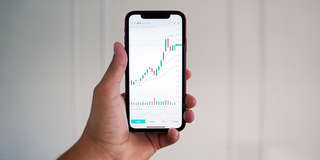
Mobile-first trading platforms are not just about convenience; they redefine the trading experience.
Photo credit: HF Markets
Kenya’s markets are being shaped by a simple reality: most people experience finance through a phone first, not through a desktop. From daily payments to savings and investing, the default tool is mobile.
This mindset has started to reshape how retail traders enter currency markets, how they learn, and how they manage positions during fast-moving global sessions. The growth is not only about interest in trading. It is also about easier access, improved user experience, and a culture that is already comfortable handling money digitally.
This is why the forex trading app has become the gateway for many Kenyan traders who want market access without complex setups. A mobile platform fits local behaviour patterns, including flexible work routines, fast communication, and on-the-go decision-making.
It also supports a shorter learning loop, where traders can practice, review, and adapt quickly because the market is always within reach.
Mobile-first culture in Kenya makes trading feel natural
Kenya has built a strong digital finance habit through mobile payments and everyday app-based services. This creates a comfort level with managing balances, making transfers, and using financial features through a phone.
When people who already trust mobile finance explore trading, the step feels smaller than it would in a desktop-first culture.
Convenience drives the first adoption wave
Many new traders start because they can download an app and explore markets within minutes. They do not need a laptop, advanced technical knowledge, or a dedicated trading space. This convenience reduces friction and increases participation.
Flexibility fits modern work patterns
Kenyan traders often balance trading with jobs, school, or business. A phone-based platform allows them to monitor markets, manage risk, and respond to volatility without being tied to a desk.
This cultural fit is a core reason the boom looks sustainable. It is aligned with how people already operate, not forcing them to change habits.
Better connectivity and lower device barriers expand market access
Access matters. As smartphones become more affordable and mobile internet improves, more people can participate. Even traders outside major cities can follow global markets, view charts, and execute orders using data networks rather than relying on fixed broadband.
The app becomes the trading workspace
For many users, the phone is not a backup platform. It is the main platform. Trading apps now provide charting, watchlists, price alerts, and account management in one place, which reduces the need for multiple tools.
Mobile alerts shorten reaction time
Price alerts and notifications allow traders to respond quickly when volatility spikes. This can be helpful in currency markets where fast moves occur around global news.
As access expands, traders also become more diverse. The market is no longer limited to people with desktop setups, which increases overall activity and interest.
Education and community are now built into the phone
A key driver of the mobile boom is learning. Many Kenyan traders learn through short lessons, social communities, and quick market updates. The phone is where this happens. When education and execution exist in the same device, the learning loop becomes faster.
Short-form content builds momentum
Traders consume quick tutorials and market explanations that help them feel confident enough to place their first trades. While not all content is high quality, it accelerates adoption.
Community influence speeds up experimentation
Groups and communities share charts, setups, and ideas in real time. This creates a sense of participation and often pushes traders to test strategies quickly.
This education style has benefits and risks. It can speed up learning, but it can also create overconfidence. The best traders use mobile learning as a starting point, then develop structured habits.
Mobile execution changes how risk is managed
Trading on a phone changes behaviour. It makes it easier to check positions frequently, react quickly, and adjust orders on the move. This can improve risk control, but it can also lead to overtrading if discipline is weak.
Faster access can improve protection
When traders can place stops, adjust targets, and close positions quickly, they can reduce damage during unexpected moves. This is useful during high-impact news when price moves sharply.
Constant availability can create impulsive decisions
Because the market is always visible, traders may enter trades out of boredom or react emotionally to small price fluctuations. This is a common challenge for new mobile-first traders.
The difference between growth and losses often comes down to routine. Traders who create rules for when to trade and when to stop benefit more from mobile convenience.
Kenyan traders are adapting strategies to mobile-friendly workflows
Many strategies were designed for desktop charting and deep analysis. Mobile first traders often prefer simpler methods that are easier to execute on smaller screens. This affects which strategies become popular and how traders manage positions.
Simpler decision frameworks fit the screen
Traders often focus on clear levels, basic structure, and alerts rather than complex indicator stacks. This reduces analysis time and fits mobile workflows.
Session awareness becomes important
Many Kenyan traders operate during specific hours. Mobile tools help them monitor key windows, such as London and New York overlaps, without being at a desk. This supports more selective execution.
As strategies become more mobile-friendly, the market may see more emphasis on process and risk routines rather than complex analysis.
Regulation awareness and platform trust are becoming part of the conversation
As adoption rises, Kenyan traders are becoming more conscious of platform credibility and safety. Mobile convenience is not enough if trust is missing. This is pushing users to seek clearer information about account operations, risk disclosures, and how to manage trading responsibly.
Trust signals influence long-term participation
Traders who plan to stay active look for stable platforms, reliable execution, and clear account features. This reduces churn and encourages more serious engagement.
Risk education becomes more valuable
As more traders enter the market through mobile apps, the need for risk education rises. Traders who survive are those who treat mobile access as a tool, not a shortcut.
This shift toward trust and discipline supports a more mature market over time, even as mobile adoption continues to grow.
Conclusion
Kenya’s forex trading app boom is powered by a mobile-first financial culture, expanding smartphone access, and a learning environment that lives inside the phone. Mobile platforms make trading feel natural by fitting daily routines, enabling fast monitoring, and offering tools like alerts and simple execution.
At the same time, mobile trading changes behaviour, increasing both the opportunity for better risk control and the temptation to trade impulsively. The Kenyan traders who benefit most will be those who combine mobile convenience with structured routines, strong risk limits, and careful platform selection, turning always-on access into consistent decision making.