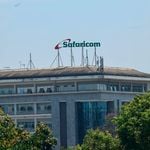
Vodacom Group’s Sh272 billion bid to take majority control of Safaricom has received clearance from the Comesa Competition and Consumer Commission (CCCC), removing a key regulatory hurdle in one of the region’s closely watched telecoms transactions.
In its determination, the Commission noted that the deal will not likely hamper competition in the region, nor is it contrary to public interest.

“The panel, therefore, determined that the merger was not likely to substantially prevent competition in the Common Market or a substantial part of it, nor will it be contrary to public interest. This decision is adopted in accordance with Regulation 47 of the CCCPR,” the regulator said.

The ruling paves the way for Vodacom to increase its shareholding in Safaricom from 35 percent to 55 percent, giving it effective control of Kenya’s largest telecommunications operator.
Under the deal, Vodacom agreed to acquire a 15 percent stake from the Government of Kenya and a further five percent from its parent company, Vodafone Group, for a total consideration of Sh272 billion at a price of Sh34 per share.
The transaction was notified to both the Comesa regulator and the East African Community Competition Authority after the Competition Authority of Kenya (CAK) indicated it would not conduct a full review and delegate the same to the regional agencies.
Instead, CAK said the deal met regional thresholds requiring notification at the supranational level, marking a departure from past practice where major transactions involving Kenyan firms were often subjected to parallel national and regional scrutiny.
In assessing the deal, the Comesa commission was required to determine whether the increase in Vodacom’s stake would substantially lessen competition within the Common Market, which spans 21 member states.
Safaricom remains the dominant telecommunications operator in Kenya, with a leading position in mobile voice, data and mobile money services, making the ownership shift a matter of regional competitive interest.
Vodacom’s move to secure majority control is widely viewed as a strategic effort to consolidate decision-making authority and align Safaricom more closely with its continental operations.
The deal also represents a partial exit for the Kenyan government, which is divesting part of its long-held stake in the telecoms giant. Attention now shifts to the outcome of the review by the EACCA, which is conducting its own assessment under the EAC Competition Act that became operational in November 2025.
The Safaricom case is the first merger inquiry to be processed under the Act, making it a test of coordination between continental and sub-regional regulators.