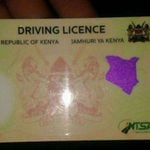
The government is planning to hand over the modernisation of the country’s driving licence system to a private investor after years of underperformance by the National Transport and Safety Authority (NTSA).
This is after the NTSA missed the target for issuance of chip-based driving licences (DLs) for the second time in three years, blaming the underperformance on motorists’ growing preference for electronic (system-generated certifications) driving licences.
The State Department for Transport says it is now considering transitioning the underperforming smart driving licence project to a public-private partnership (PPP).
NTSA has issued less than half of the targeted five million smart driving licence cards in eight years.
The transport sector regulator signed a three-year, $21.09 million (about Sh2.1 billion at the time) deal with the National Bank of Kenya (which has since been acquired by Nigerian-owned Access Bank Plc) in March 2017 to supply, install and maintain five million second-generation licences.
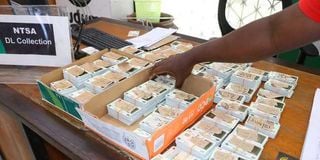
The NTSA, the report submitted to the Treasury shows, had issued 2.1 million chip-based DLs by June 2025 against a planned five million cards. This comes after the NBK, which subcontracted the supply to another firm, delivered more than four million blank cards.
“The uptake of smart driving licences has been slow. The project is under consideration for transitioning to PPP,” the Transport department wrote in its budget proposal report to the National Treasury.
The proposed policy shift comes after NTSA underperformed its target for the chip-based driving licences by 14.38 percent in the financial year to June, shining the spotlight on the multibillion-shilling system to modernise management of the chaotic transport sector.
NTSA printed 342,492 smart driving licences in that period against a target of 400,000, falling short by 57,508 cards.
The performance marked a reversal from the previous year when NTSA surpassed a lower target of 350,000 smart DLs following increased enrolment drives that saw 369,155 motorists acquired the chip-based DLs.
“The target [was] not achieved due to preference for a yearly electronic driving license as opposed to the 3-year smart driving license,” NTSA explained in the report.
Embedded chips
Smart driving licences, which are renewed after three years, come with embedded chips similar to those in ATM cards, designed to carry a motorist’s information, photos and offence history under a Demerit Points System under the NTSA.
The Electronic Driving Licence is renewed for three years at a cost of Sh3,050 through the NTSA portal and verified digitally by police via an app.
It is also easier to renew compared with the smart card that requires biometric capture and an in-person appointment at Huduma Centres or NTSA stations. The smart card also costs Sh3,050.
Performance records show NTSA also missed its smart DLs issuance targets in 2021/22 and 2022/23 financial years, largely due to frequent breakdowns of the specialised printer needed to personalise the smart cards.
The latest setback underscores the agency’s continued struggle to match its fiscal year 2020/21 performance, when intensified public campaigns propelled issuance to nearly 396,000 cards —about 96,000 above target.
The smart driving licence project had gobbled up nearly Sh1.83 billion by June 2025, with NTSA putting the implementation status at 85 percent.
In her latest report for the year ending June 2024, Auditor-General Nancy Gathungu noted that NTSA had printed 1,637,930 smart licences out of more than 4 million blank cards delivered by the supplier, NBK.
Her audit found 572,674 unprinted cards valued at Sh176 million lying unused in NTSA stores, with no clear plan for deployment, exposing taxpayers to potential losses.
“The uptake for the cards is still slow and the management did not demonstrate efforts to improve the situation,” Ms Gathungu wrote in her report.
“In the circumstances, the value for money could not be confirmed.”