Time flies with great content! Renew in to keep enjoying all our premium content.
Prime
Kenya Airways in twin leadership vacuum as Kilavuka exits
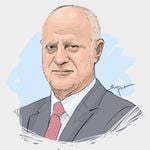
Kenya Airways outgoing CEO Allan Kilavuka during a press briefing on the planned industrial action by the Kenya Airline Pilot Association (KALPA) at the Nairobi Serena Hotel on November 1, 2022.
Allan Kilavuka has left Kenya Airways after six years at the helm, creating a dual leadership vacuum at the national carrier after its board chairman of nine years also departed earlier this year.
Mr Kilavuka proceeded on terminal leave effective December 16, ahead of the expiry of his tenure in April, making him one of the carrier’s longest serving chief executives.

His exit comes just months after Michael Joseph, the airline’s long-serving board chair retired, leaving a twin leadership vacuum in the boardroom and the executive suite.
Mr Kilavuka was brought in at one of KQ’s most turbulent times, shortly after his predecessor Sebastian Mikosz –who had been brought in from Poland to help turnaround the carrier after years of loss-making– resigned.
Added to the woes that had kept the flag carrier in the red at the time, the Covid-19 pandemic heightened the heavy assignment Mr Kilavuka would have to deal with at KQ, and as he leaves, the board seems satisfied with what he’s done.
“Allan served with commitment, dedication, honour and diligence, steering the company through the turbulent Covid-19 period which affected the aviation sector negatively,” reads a notice published by the KQ board announcing his exit.
“He subsequently oversaw the growth of revenues and freight volumes, reaffirming the operational viability of the airline.”
The board announced that chief operating officer George Kamal will assume the role of interim chief executive, as the process of recruiting a substantive successor gets under way.
It did not indicate how long the recruitment process is expected to take or whether internal candidates will be considered alongside external applicants.
Mr Kilavuka has led KQ since April 2020, shortly after the outbreak of Covid-19 pandemic, which triggered an unprecedented collapse in global air travel. Under his leadership, Kenya Airways navigated prolonged grounding of fleets, border closures and severe revenue losses that further strained an already fragile balance sheet.
The airline returned to profitability in 2024, posting a net profit of Sh5.4 billion, its first annual profit in nearly a decade. The turnaround followed years of sustained losses and came after a period of capacity recovery, route optimisation and a rebound in passenger and cargo demand.
It is not yet clear how much of the 2024 performance was driven by operational improvements, restructuring measures or exceptional items, but the carrier has issued a profit warning –a sure sign that the profit will not be sustained this year.
Before his appointment as KQ chief executive, Mr Kilavuka served as CEO of Jambojet, the airline’s low-cost subsidiary, from January 2019. Prior to that, he was head of sub-Saharan Africa at aerospace firm General Electric.
Mr Kamal, who steps in as interim chief executive, is a pilot by training and an aviation executive. He holds a master’s degree in aviation management and a PhD in business administration.
Before joining KQ, Mr Kamal served as chief operations and executive officer at Iraqi Airways. He previously held senior operational roles at Air Arabia and Etihad Airways, where he was also head of quality operations. He began his aviation career as a pilot with EgyptAir and later flew for Etihad.
“The Board commits to support Captain Kamal as he takes over the organisation’s executive leadership during this interim period,” the directors said.
His tenure at Kenya Airways was not without disruption. In November 2022, the airline was hit by one of its most disruptive pilots’ strikes, which led to widespread flight cancellations and stranded passengers after members of the Kenya Airline Pilots Association downed tools over pay and working conditions.
The strike was later declared illegal by the Employment and Labour Relations Court, and several pilots were suspended or dismissed, prompting political intervention and government-led mediation.