Time flies with great content! Renew in to keep enjoying all our premium content.
Prime
Kenya eyes AI to bridge malaria-transmitting mosquito surveillance gap
A recent study in western Kenya found that Anopheles gambiae accounted for 71.4 percent of the female Anopheles mosquitoes collected, with Anopheles funestus accounting for 12.3 percent. However, the situation is changing as mosquito populations shift and new species emerge.
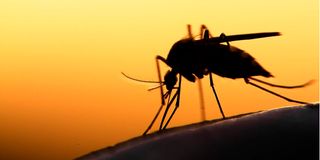
Kenya is planning to use artificial intelligence (AI) to improve the tracking of mosquitoes that spread malaria, as health authorities seek to collect more information about the insects and the places where they are found.
The technology, known as VectorCam, is expected to be tested in October in partnership with the Kenya Medical Research Institute’s Centre for Global Health Research (Kemri-CGHR).