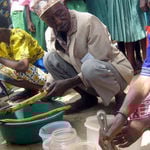
Kenya is charting an ambitious path to integrate traditional medicine into mainstream healthcare by 2028, a move that would create a collaborative system in which conventional doctors and traditional healers work side by side within the same health facilities.
Under the plan, patients visiting a health facility could consult both a medical doctor and an accredited traditional practitioner, with both treatment approaches documented in the same medical records and coordinated to achieve optimal outcomes.
“Kenya stands ready to work with Africa CDC, WHO, Member States and partners to unlock Traditional, Complementary and Integrative Medicine’s (TCIM) full potential, ensuring it is safe, regulated, evidence-based and culturally grounded, to strengthen health systems and improve lives across Africa,” said Aden Duale, Cabinet Secretary for Health, at a Ministerial Roundtable on TCIM in India.
“Our TCIM approach is anchored in safety, scientific rigour, innovation, environmental stewardship, and respectful integration of indigenous knowledge, with the Constitution safeguarding biodiversity, equitable benefit-sharing, and indigenous knowledge systems.”
Kenya has also committed to establishing a National Policy and a Department of Traditional Medicine by 2028, elevating the practice from an informal activity to a recognised health sub-sector.
The framework will set standards, guide regulation and align traditional medicine with national health priorities through a proposed Traditional Medicine and Medicinal Plant Bill. The law is intended to regulate practitioners, protect consumers and manage commercial interests in herbal medicines.
The reforms include plans to integrate traditional medicine into the National Health Insurance framework by 2028, extending coverage to millions who depend on traditional remedies.
Kenya will also formalise key policy documents — the National Cultural Policy on Culture and Heritage, the National Environment Action Plan, and the National Policy on Traditional Knowledge, Genetic Resources and Folklore — to safeguard indigenous knowledge while promoting the sustainable use of medicinal plants.
Legislative safeguards will cover intellectual property rights and equitable benefit-sharing to prevent exploitation of knowledge-holding communities, alongside standards to ensure the safety, efficacy and quality of traditional medicine products. These measures are meant to address long-standing concerns over biopiracy and unfair commodification.
Kenya made the commitments at the Second WHO Global Summit on Traditional Medicine in New Delhi, India, in December 2025, which concluded with the Delhi Commitment — a consensus on evidence-based integration, stronger regulation, biodiversity protection and the responsible use of digital technologies in traditional medicine systems.
According to the World Health Organisation (WHO), traditional medicine refers to the knowledge, skills and practices based on the theories, beliefs and experiences indigenous to different cultures and used in the maintenance of health, as well as in the prevention, diagnosis, improvement or treatment of physical and mental illness.
Traditional medicine has long been embedded in Kenya’s healthcare landscape, with an estimated 60 to 80 percent of the rural population relying on traditional healers and herbal remedies for primary healthcare, using medicinal plants such as Aloe vera, Prunus africana and Warburgia ugandensis.
However, the practice has largely remained unregulated and unrecognised within the formal health system. Traditional practitioners lack official recognition, their activities are largely unsupervised, and there are no clear policies governing the use of traditional medicine knowledge or the management of genetic resources, leaving the sector vulnerable to quackery.
The planned integration into the mainstream health system aims to make the practice safer and more effective through better oversight, open communication and coordinated care plans, positioning traditional medicine as a legitimate first-line option for certain conditions while ensuring patients continue to receive evidence-based conventional treatment.