Time flies with great content! Renew in to keep enjoying all our premium content.
Prime
Dealing with a bed-wetting child
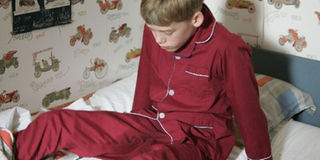
Pre-school children wet their beds from time to time. It is a cause to worry if they are above the age of six. Photo/File
Most pre-school going children, below the age of six years, wet the bed from time to time. This should not worry you, as with time they will get good control of their bladders.
However, if an older child is wetting the bed then there is reason to be concerned. It can be frustrating for most parents but also for the child. It’s important to understand what causes bed wetting in the first place in order to address the issue appropriately without victimising.
The first stop is the paediatrician if your child is six years and above, and still wetting their bed. Your child’s assessment will start with an interactive session, in which the doctor will try and engage both you and your child in getting information about the problem. It is important for you to be very honest during about any problems at home and about any changes in the child’s life.
The paediatrician then conducts a thorough physical examination of your child including the abdomen, spine and genitals. The next step would be a urine sample, to help rule out infections and show if there is a likelihood of diabetes, there could also be a blood sample, if the doctor suspects a kidney problem.
Sometimes an ultrasound scan of the urinary system may be taken to check for any internal abnormalities.
The paediatrician could chose to be the primary doctor handling your child’s bedwetting or could refer you to a nephrologist, a kidney specialise or a urologist, a urinary system surgeon. In cases where the child’s emotional health is the main cause a child counsellor may be involved.
Steps to take at home
If all medical conditions are ruled out, the following steps would be useful:
First, talk to your child. Give them simple explanations for the bedwetting. Let them understand that they are not the only one who bed wets and that it will stop with time.
Be practical and buy a waterproof mattress cover to prevent the child’s mattress from absorbing the urine. Alternatively, get a plastic cover for the mattress then put a towel on it and place the sheet on top.
Do not reduce total fluid intake for your child as this could lead to dehydration. Instead give them plenty of fluid during the day but reduce fluid intake in the evenings. This includes soups and porridge.
Have the child empty bladder every night before sleeping.
Some parents find it useful to wake the child up after 2-3 hours of sleep to get them to go to the bathroom. There are special ‘bedwetting alarms’ available from select urban chemists that use pants fitted with alarms that go off every time they get into contact with urine.
Get a soft light in the child’s room or in the corridor and leave the bathroom light on. This will allow the child to visit the bathroom at night without any fear.
During the day, encourage the child to do bladder training exercises. How? When the child has the urge to urinate, ask him or her to hold off for one minute then go. Gradually increase the period by a few minutes each day. This helps build bladder control.
Let the child thoroughly clean up or shower in the morning to prevent them being teased by classmates due to urine odours.
Some stores stock special super- absorbent underwear which act like diapers and can be particularly useful when the child is going to sleep away from home.
Let siblings know that it is not acceptable to tease or put down the child because of the bedwetting. If your child is going to spend a night at a friend’s house, make sure the parent’s know of your child’s bedwetting problem.
Always ensure the child eats lots of fruits and vegetables to help prevent constipation which is a leading contributor to bedwetting.
Keep a diary of dry nights and reward the child for making efforts to stop bedwetting
Medication: there are several drugs used to manage bedwetting. Some of the drugs reduce urine production at night whilst others improve the bladder’s ability to hold urine. Most doctors use medication as a last resort. A lot of the time once the child stops the medication, the bedwetting recurs.
Unlock a world of exclusive content today!Unlock a world of exclusive content today!